
To his cousin the Bat
Squeaked the envious Rat,
“How fine to be able to fly!”
Tittered she, “Leather wings
Are convenient things;
But nothing to sit on have I.”
~John B. Tabb, An Inconvenience
It was already late at night by the time our group of twelve friends arrived in Maputo, Mozambique. We’d already had a whirlwind of a journey, stopping briefly in Ethiopia before spending a week on the island nation of Madagascar. For me, it already felt like we’d gone on a full vacation, but in fact, the trip was only about halfway over, and the second half would be very different from the first. Of course, we still had a lot of wildlife encounters to look forward to, but now we were hoping to find some of the African continent’s large game animals instead of the gentle lemurs we’d spent the last week with.
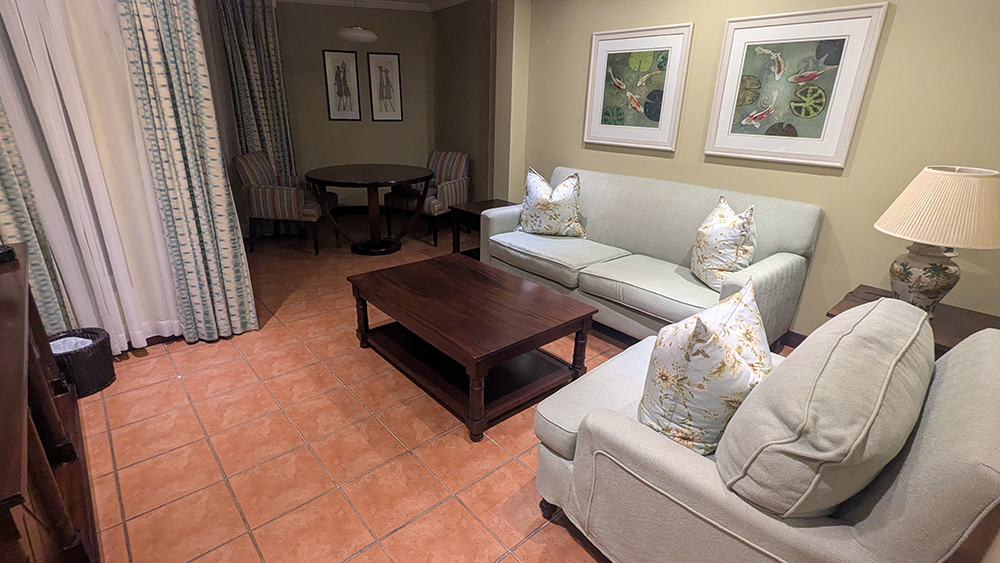
After collecting our luggage and obtaining tourist visas, we met our scheduled driver outside of the airport and rode over to the Hotel Cardoso, where we were to spend two nights. Although I was exhausted from a long day of travel, I wasn’t too worn out to notice the beautiful woodwork throughout the century-old hotel. Vince and I took the elevator up to our floor, only to discover that we’d been upgraded to a beautiful suite with a spacious bedroom, luxurious free-standing bathtub, separate sitting room, and a huge balcony overlooking Maputo Bay. It would be all-too easy to get used to accommodations like this.


I dropped my bags and then stepped out onto our balcony to take in the view. The lights of Mozambique’s capital city glowed in the distance. The next day, we would get to explore some of the city, but for now, it was time to get some sleep.

We actually got to sleep in for the first (and last) time of the trip, so I felt bright and cheerful when Vince and I went down to breakfast the next morning. The Cardoso’s breakfast buffet was located in a poolside restaurant with a view of the tall cliff that the hotel sits atop. The food spread was mostly European, and there were even Pasteis de Nata on the menu, a holdover from Mozambique’s Portuguese colonial period.
After a leisurely breakfast, Vince and I met up with our friends in the hotel’s lobby, and we all set out to walk to the meeting point for the day’s scheduled tour. The city was seemingly just waking up for the day. Traffic was light, and there were few pedestrians on the sidewalks as we made our way to the Cathedral of Our Lady of the Immaculate Conception to find out guides from Maputo Free Walking Tour.
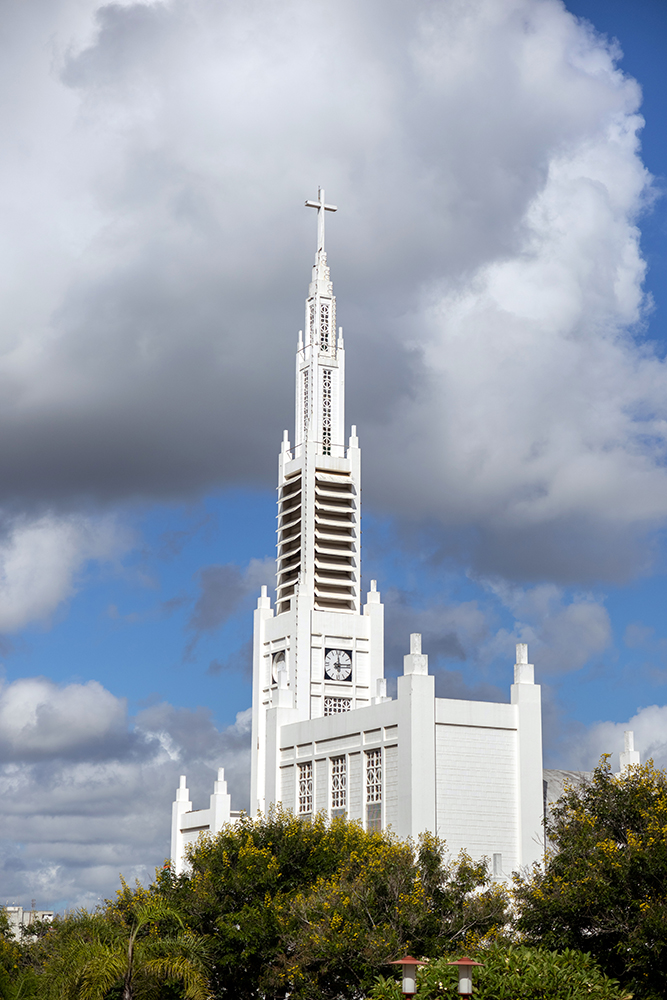
As we neared the front steps of the Cathedral, the quiet morning suddenly came to life with noise and movement. Dozens of school children in uniform ran and played in front of the doors of the gleaming, white church, and souvenir vendors circled the area, spotting us immediately. They tried to interest us in buying colorful batiks as our guide, Samuel, approached us and introduced himself.
He gave us a quick overview on what to expect on our tour, and there were a couple of things that particularly stuck out to me. There was mention of visiting a botanical garden where we might find fruit bats, and if we were lucky, we’d get to see a wedding. I had no idea what a wedding in Maputo might look like, but I was excited to possibly find out! I’d had no idea what this tour would include, but suddenly I couldn’t wait to get to the botanical garden.
But there were plenty more stops to see before then, and the first one was the cathedral, of course. We followed Samuel up the wide stone steps, and inside the building to find the nave filled with worshipers.

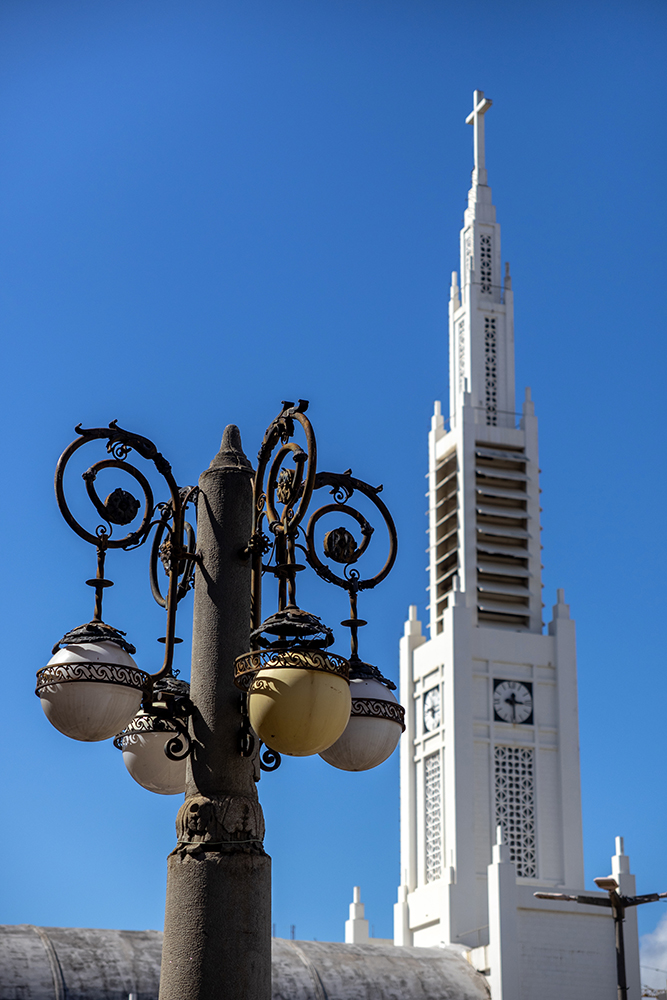
The cathedral was designed by Portuguese civil engineer Marcial Simões de Freitas e Costa, and construction took place between 1936 and 1944. Although the building is made of simple materials like cement, it has a minimalistic beauty. The single color of its exterior-white-makes it a shining beacon amidst the rest of the city, and a focal point of the interior is the finely-detailed stained glass work.

After some time in the cathedral, we stepped back outside and crossed over independence square for a visit to Maputo City Hall. This building, which houses the city’s government, was built in 1947.

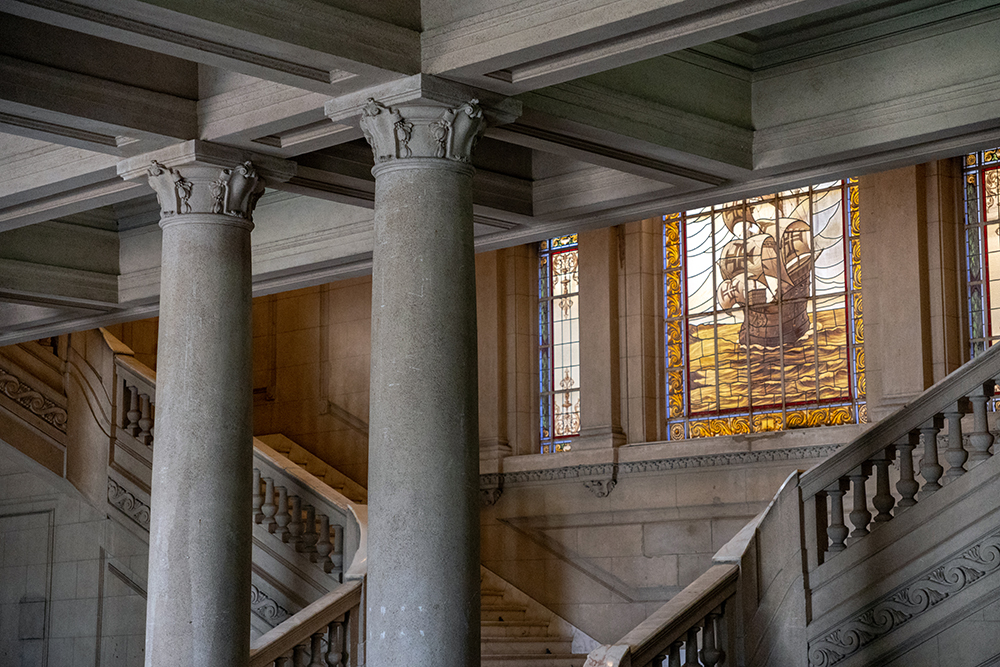
We followed Samuel up the building’s grand entryway and stepped inside, where we found an interior of intricately carved stonework, and a large stained glass window, who’s depiction of a ship commanded attention. City Hall was also built during Mozambique’s Portuguese colonial period, an era spanned from around 1500, when Portugal erected its first forts and trading posts in Mozambique, until 1975, when after a ten year war, Mozambique finally won its independence.

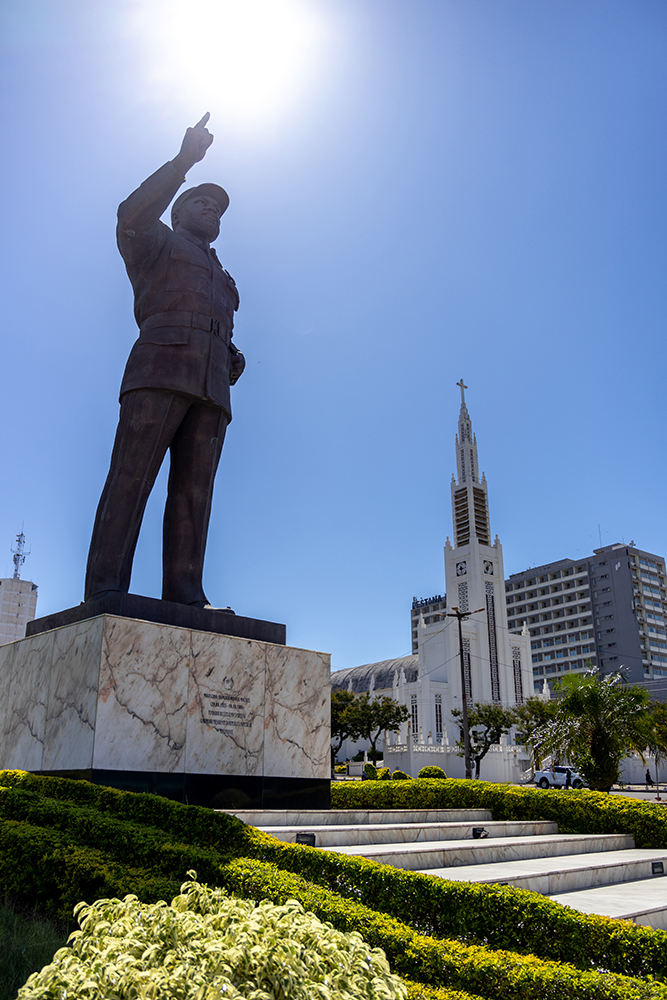
When we left City Hall, we crossed through Independence Square one more time. The buildings around the square were covered in colorful advertisements, and we could just see the waters of Maputo Bay glimmering in the distance beyond a statue of Samora Machel, the first president of Mozambique.

On the other side of the square, we briefly walked through a couple of cultural buildings where locals can go to learn foreign languages. Then we stopped by a souvenir shop that had all sorts of items, including beautiful handmade batiks. Batik is a process of wax-resist fabric dyeing that is a significant part of Mozambican culture. Of course, I had to take one of these beautiful pieces of art home with me, so I purchased one with a design of giraffes (one of my all-time favorite animals).
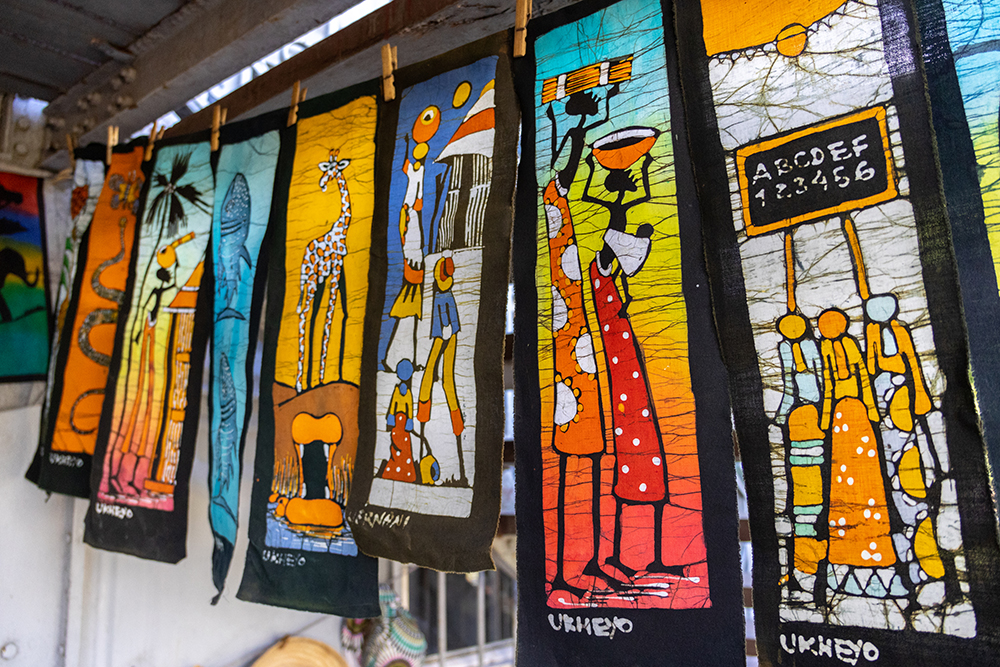
Once everyone had a chance to shop, we continued on to the nearby Tunduru Gardens. I was on high alert now, because this was where we might see fruit bats. Of course in my mind, I was somewhat more excited about the possibility of bats than the possibility of a wedding. Bats are wild animals after all, and seeing wild animals is one of my primary travel motivations.
I kept my eyes glued on the tree tops as we strolled through the shaded garden. Samuel showed us several interesting plants, like a cinnamon tree whose bark smelled exactly like… well, like cinnamon. Vince and Travis took the opportunity to climb trees with gnarled trunks as we walked along the garden path, and we all stopped to look at a pond where a man was feeding a school of fish. Every time he tossed a chunk of bread into the water, dozens of fish converged on the spot, vying for the food.
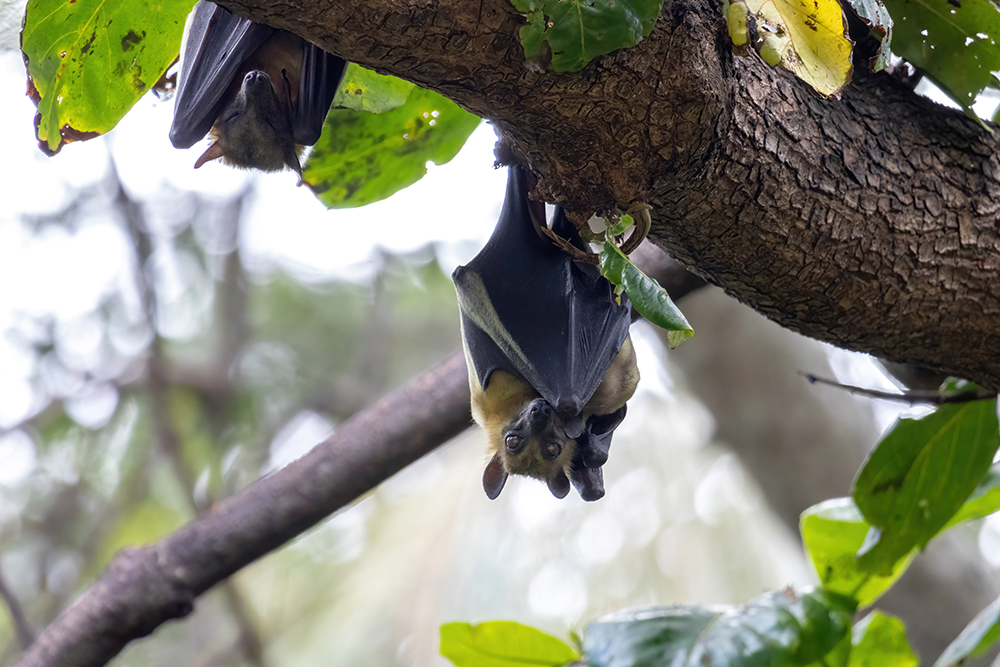
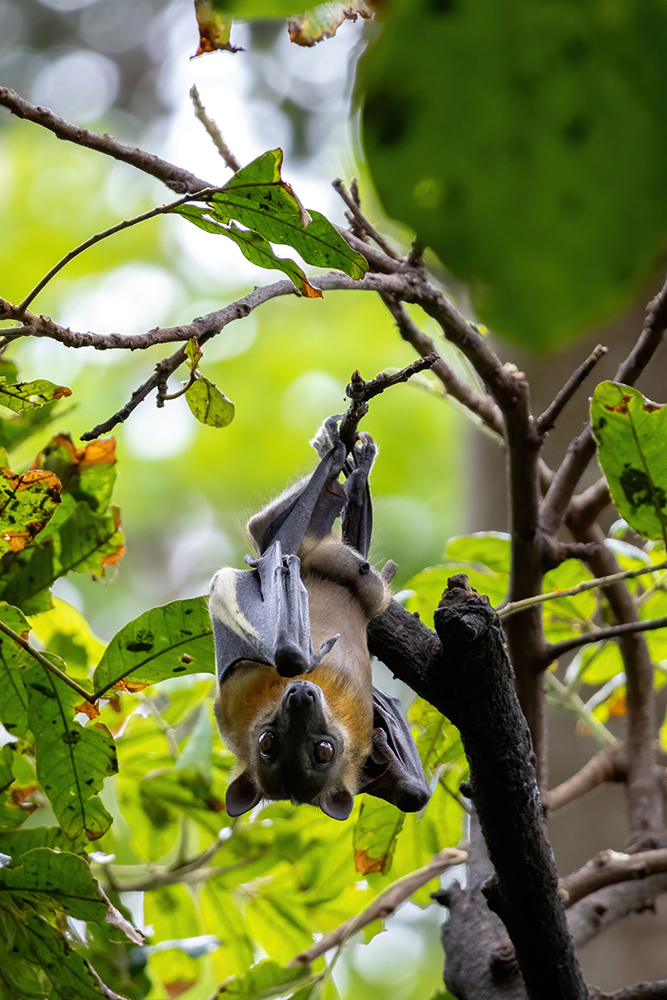
Shortly after this, a loud and high-pitched din became audible, coming from somewhere nearby. Samuel pointed at a copse of tall trees that were practically ringing with the loud noise. It was the fruit bats! I quickly switched out my camera lenses, approached the base of the trees, and looked up to see clusters of bats hanging upside down from their high branches.
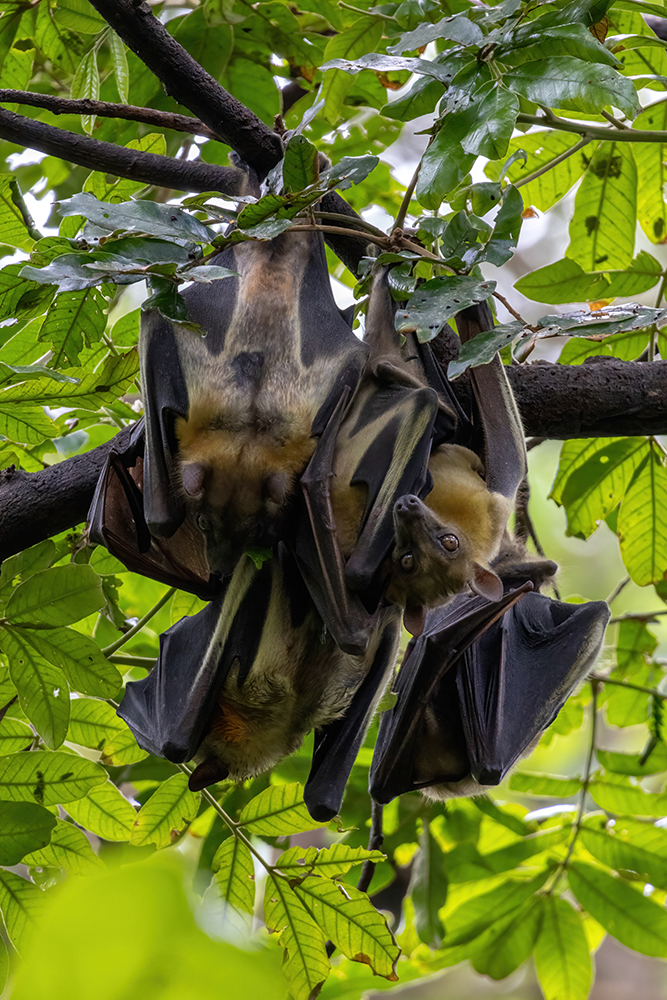
I thought there must have been hundreds of bats hanging from the trees as they screeched and flapped their leathery wings. These were straw-colored fruit bats, which is a common species throughout most of Sub-Saharan Africa. They can live in colonies of around a hundred thousand to a million individuals, so perhaps my estimate of “hundreds” was a bit low.
As if on cue, our bat watching was soon interrupted by the sound of singing coming from another area of the garden. When Samuel heard the melody, he got very excited and motioned for us to quickly follow him. I had to jog to keep up, and soon I saw that the music was coming from one of the weddings he’d mentioned at the beginning of the tour. The bride and groom were leading a processional of their wedding party and families through the park, and the wedding party was singing a beautifully harmonized song as they followed behind the couple.
Members of the party introduced themselves to us as we approached, and Samuel cheered on the couple as they passed by us until we all joined in. At the end of the main pathway through the park, the processional stopped, and gathered around as a photographer snapped pictures of the bride and groom.
Then the soft sound of singing once again echoed through the park as another wedding party queued up behind a grand entrance gate. We stayed to watch them as well, and this group were such beautiful singers that it brought tears to my eyes.
We stayed and watched three total wedding processionals, and as we left the park through the gate, we were all humming the tune to one of the songs they’d performed. I’d entered Tunduru Garden thinking that the bats would be the most exciting part of the visit, but the weddings definitely stole the show. It was such a neat experience to get to see such a fantastic bit of local culture.
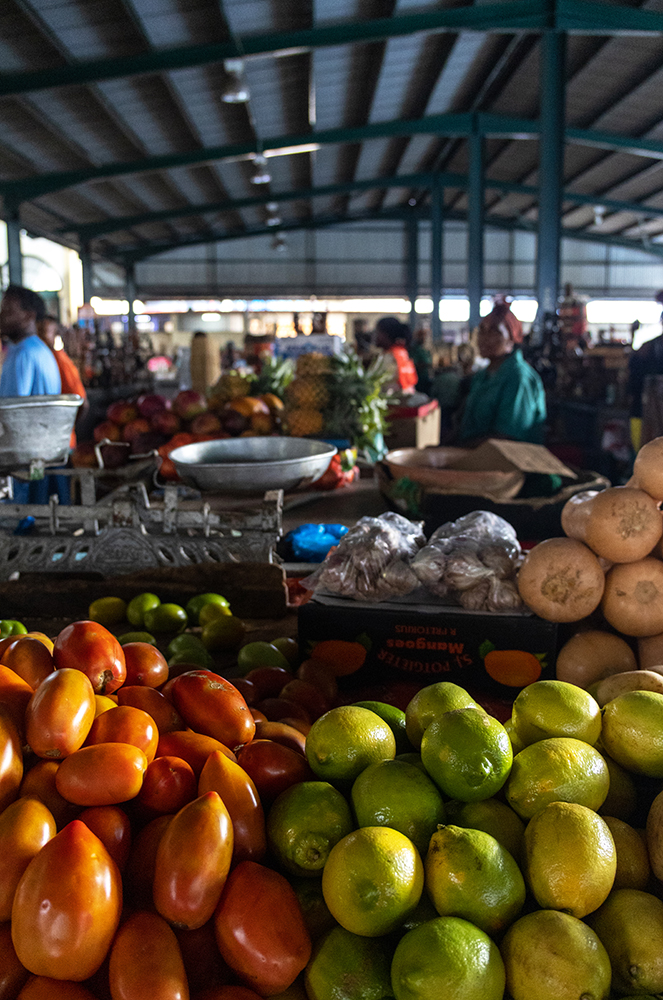
Not far from the garden, we made another stop at a local market. We followed Samuel through a hallway lined with dozens of shops selling wigs, until we reached a large main room filled with fruit, vegetables, souvenirs, and more. Here, Samuel had us sample a couple of varieties of local fruit, including one that was featured in The Lion King and tastes similar to sour banana.

From the market, we walked over to Maputo Central Railway station. This historic train station has routes to South Africa, Eswatini, and Zimbabwe. The structure that is standing today was constructed in the early 1900’s, but before that, there was an older wooden structure in its place. This train station is also considered one of the most beautiful in the world. While at the train station, we also randomly ran into a couple that we’d met at the Avenue of the Baobabs back in Madagascar, which was quite the coincidence.


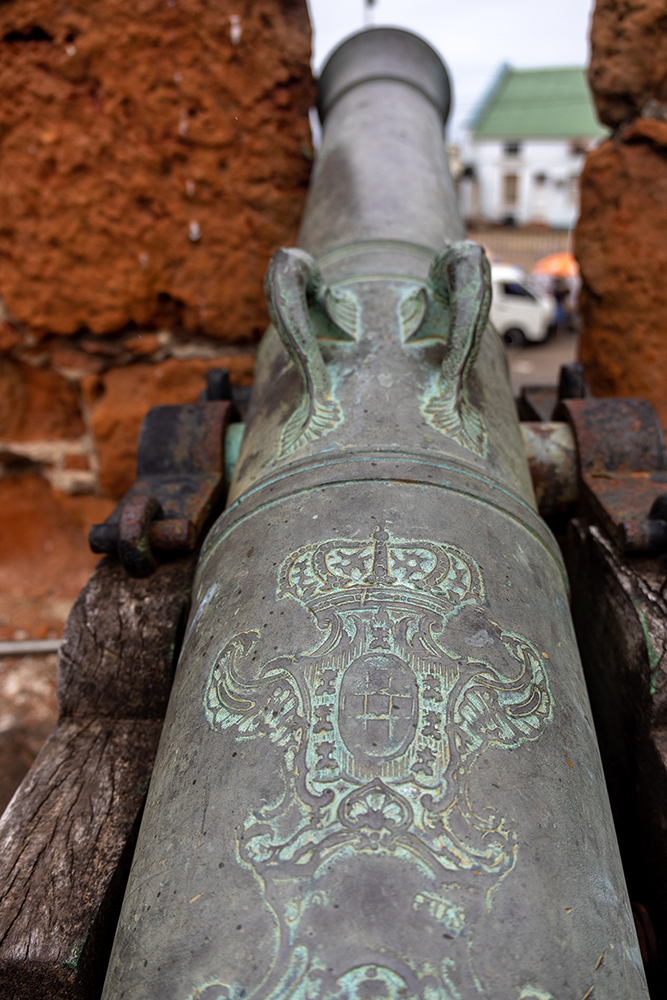
We were nearly at Maputo Bay when we arrived at the last stop of our walking tour, Maputo Fortress. This fortification was just a replica of the original structure. The site was originally a dutch fort, and then later an Austrian one, before the Portuguese eventually occupied it. We walked along the top of the fortress’s walls, admiring the view of the bay, and then it was time to say goodbye to Samuel.
But before we said our goodbyes, Samuel gave us a few more recommendations of things we could check out on our own that afternoon. Then we set off toward the bay, where we strolled along the waterside, grateful for a cool sea breeze because the day had become oppressively hot. All along the waterway, there were vendors selling fresh squeezed juice, so we stopped and bought a few glasses, which was a refreshing treat after walking for so long in the heat.
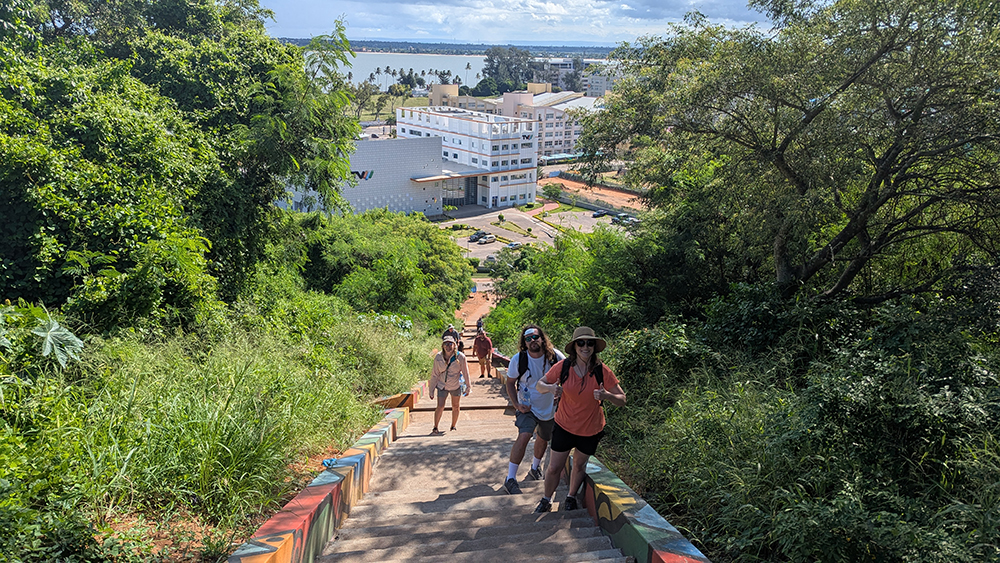
At the end of the corniche, we stopped into a waterfront restaurant for lunch, where I had a delicious vegetable biryani. By the time we’d all finished our meals, most of the group was beyond ready to return to Hotel Cardoso for a swim in the pool. Luckily, the hotel was nearby, but there was a catch. We were currently as sea level, and the hotel was directly above atop a tall cliff. So at some point, we were going to have to climb up to the top of the cliff, a task that seemed Herculean in the intense afternoon heat.
It turned out that the way to get up the cliff was to walk up this endless rainbow staircase that stretched upward and out of eyesight. If you look at the top of the stairs in this picture, that isn’t actually top. Imagine sweat dripping from your face as you crest what you thought to be the top of this staircase, only to find out it was just the halfway point. Needless to say, we all groaned when even more stairs awaited us. But thankfully, the steps were small and not too steep, so with one foot in front of the other, we all trudged up to the top.

Hotel Cardoso wasn’t far once we reached the top of the hill. At this point, we’d already walked eight miles so far. Everybody was ready to go for a swim, but Vince and I decided to walk another mile or so to get to a craft market that Samuel had recommended to us. Along the way we passed by a couple more points of interest he’d mentioned, like the natural history museum and an old abandonded house adorned with Portuguese tiles. Apparently this house was used by the Portuguese secret police during the colonial period.

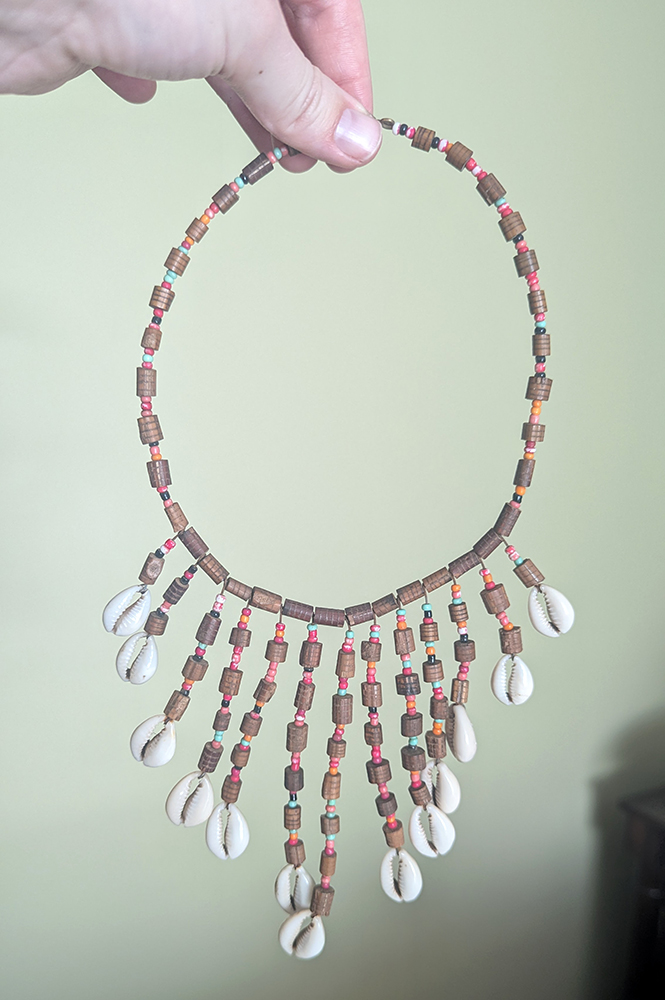
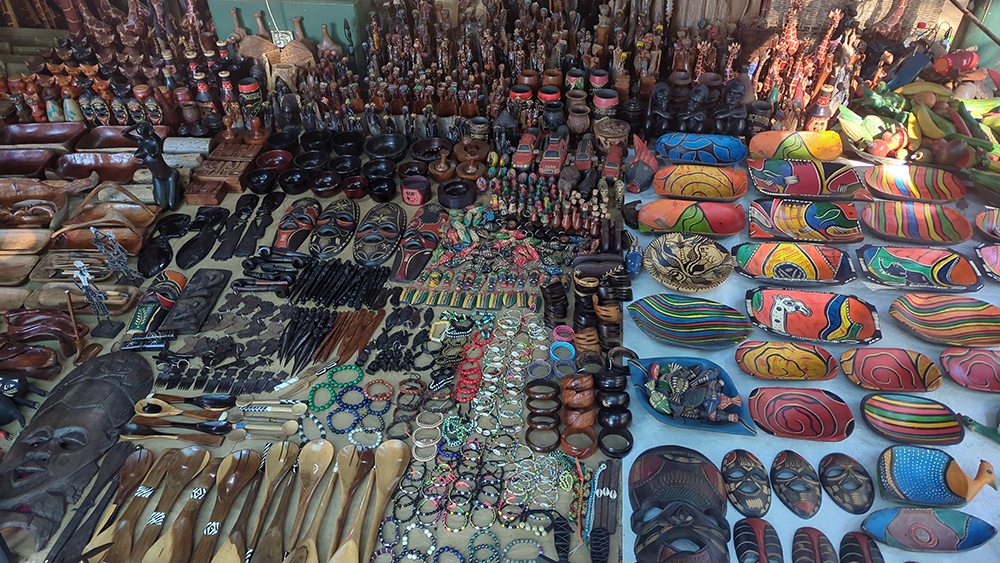
It took another mile and a half of walking, but eventually, Vince and I made it to the craft market, which was set up in a beautiful shaded park. We started walking through the numerous stalls of the market, and I found what I wanted to buy around the third stall we visited. It was a unique looking necklace made of beads and shells, and I hadn’t seen another one like it yet. Vince, always pragmatic, said we should shop around before I settled on something, so we continued on down the seemingly endless line of stalls. I never did find another necklace anything like the one that caught my eye, and eventually we had to concede that we weren’t possibly going to make it to the end of the massive market, so we turned back around to search for the vendor who was selling the necklace. Of course that was no small task, because each storefront looked very similar, but luckily the man saw us passing back through and waved us down, since he knew I was interested. We negotiated a deal, and then Vince and I started the walk back to the hotel.
By now, we’d walked almost ten miles, and we both wanted nothing more than to be in the hotel pool. So we caught the first tuk-tuk we could find, and within no time, we had joined the rest of our friends in the refreshing water. A nice swim was exactly what I needed after being on my feet in the hot sun all day, and we all hung out there for the rest of the day, happy for some relaxation time before another week of non-stop adventure.
Later that evening, I watched a beautiful sunset from our balcony as Vince and I packed up for our morning departure for Eswatini. The slowly sank towards some distant hills until it finally melted into the landscape and disappeared out of sight, a symbolic end to our stay in Maputo.

For most of the group, this would be their only day in Mozambique, and I was happy that we’d managed to pack so many sights into that one day. Vince, Caleb, Anna, and I had decided to extend our trip by a couple of days at the end, and would be returning to Mozambique for a chance to relax in the beach town of Ponta do Ouro. But before that, we had two more countries to visit, and lots of wildlife to look for as we were about to embark on three days of safaris!
You can see more details of this amazing destination on my YouTube channel!

 birdsoftheairtravel.com
Beautiful images of Matupo. It’s amazing, or alarming, just how many other countries have wanted to claim so much as their own. I recognised the Portugese influence when I saw the church, as their style of building, and tiling is unique.
Maputo is so colourful and rich with wild-life and food. Lucky you having such travels.
Yeah this was my first time seeing Portuguese influence in an African country. I’ve been to areas that were formerly colonized by the French and the Dutch, but this was quite different. I’m glad that Mozambique has its independence now though, and grateful to visit such a vibrant city.