
Behave like the chameleon: look forward and observe behind.
~Malagasy Proverb
I awoke to a bittersweet feeling on the morning of our last full day in Madagascar. We still had a day left to see a few last amazing sights before our scheduled departure out of Antananarivo the next afternoon, but I wished we could stay longer and visit more regions of this incredible country full of unique and fascinating wildlife. But on the upside, this was really just the halfway point of our trip. Over the next week we would get to visit three more countries on the African continent. So, I got ready for the day with mixed feelings of excitement for what lay ahead and reluctance to leave Madagascar.
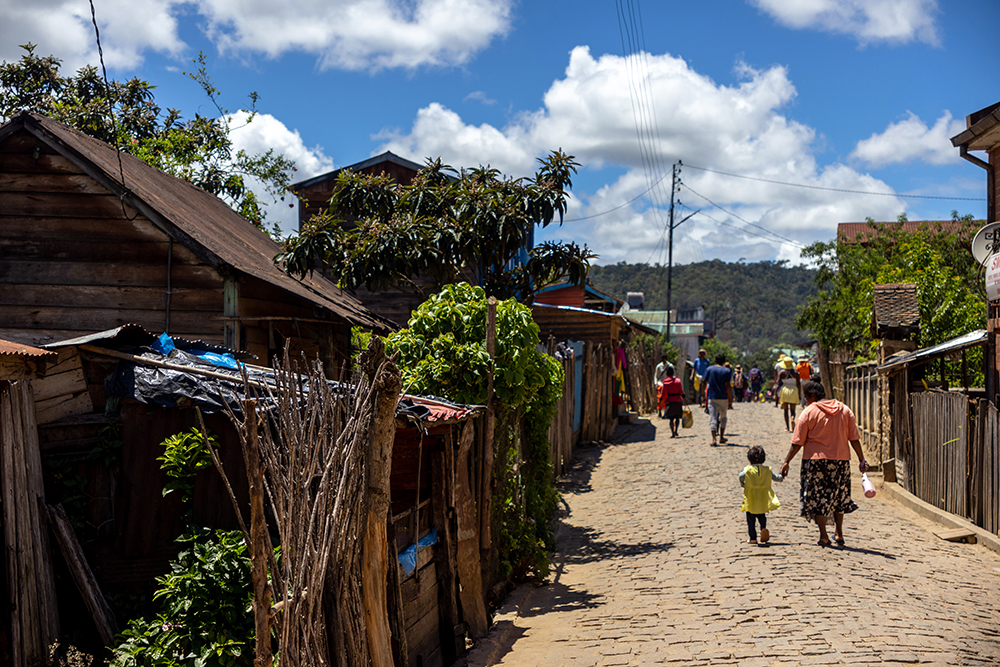
After eating breakfast and packing up our bags, Vince and I met the rest of our group down at the bus, and we all departed from the Relais de Mantadia, bound for Antananarivo. We’d be making a couple of stops along the way instead of just driving straight through like we’d done two days ago. The first of those stops was in the nearby village of Andasibe, which we’d driven through a few times already, but hadn’t had the opportunity to explore yet. Our driver parked the bus and we followed Ghislain onto the brilliantly sunny, cobbled street.
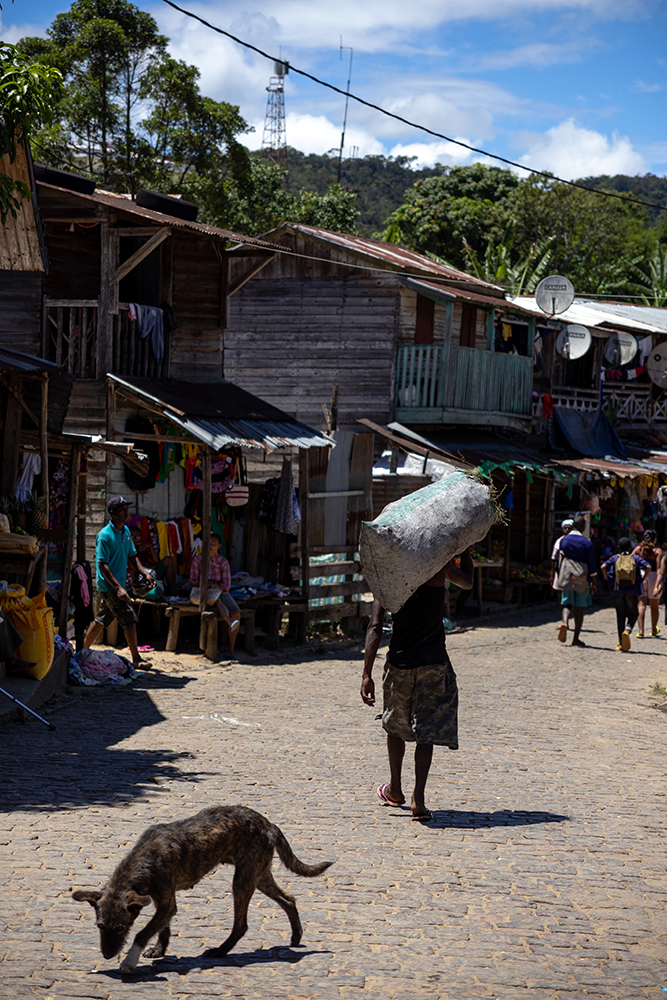
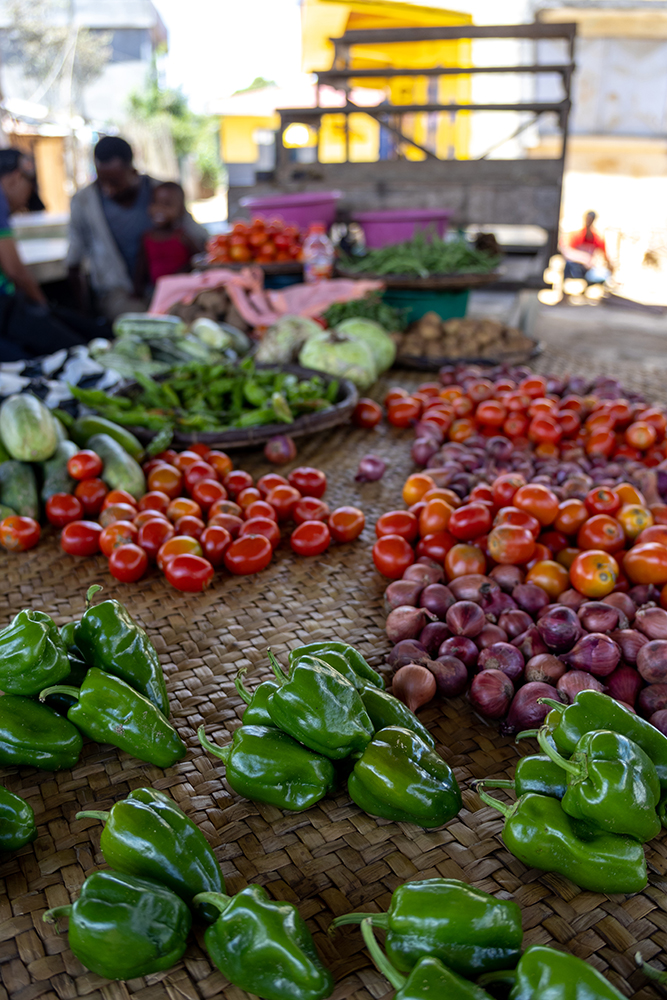
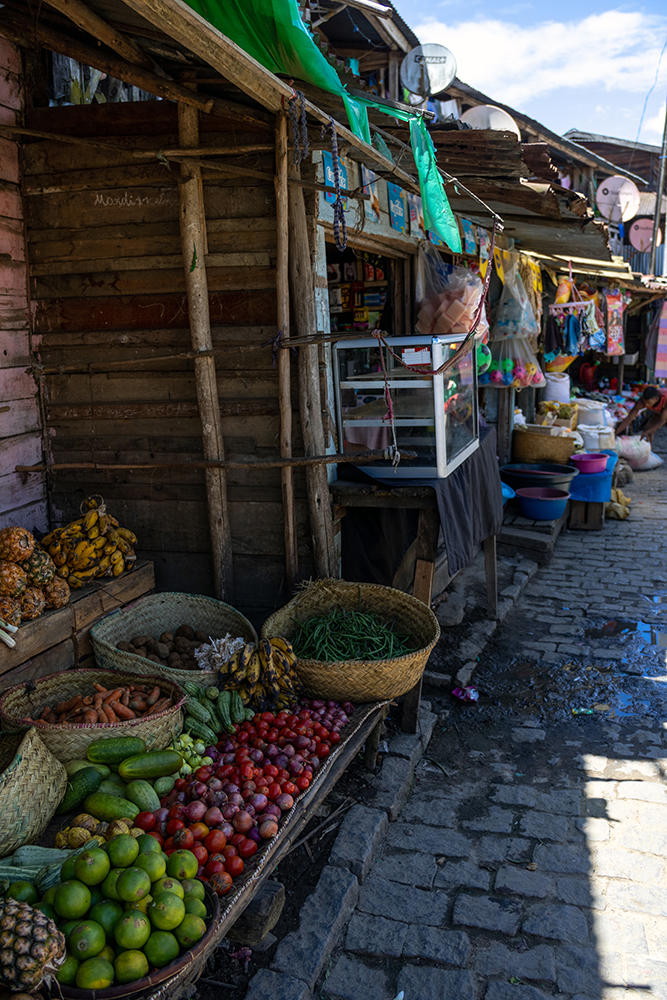
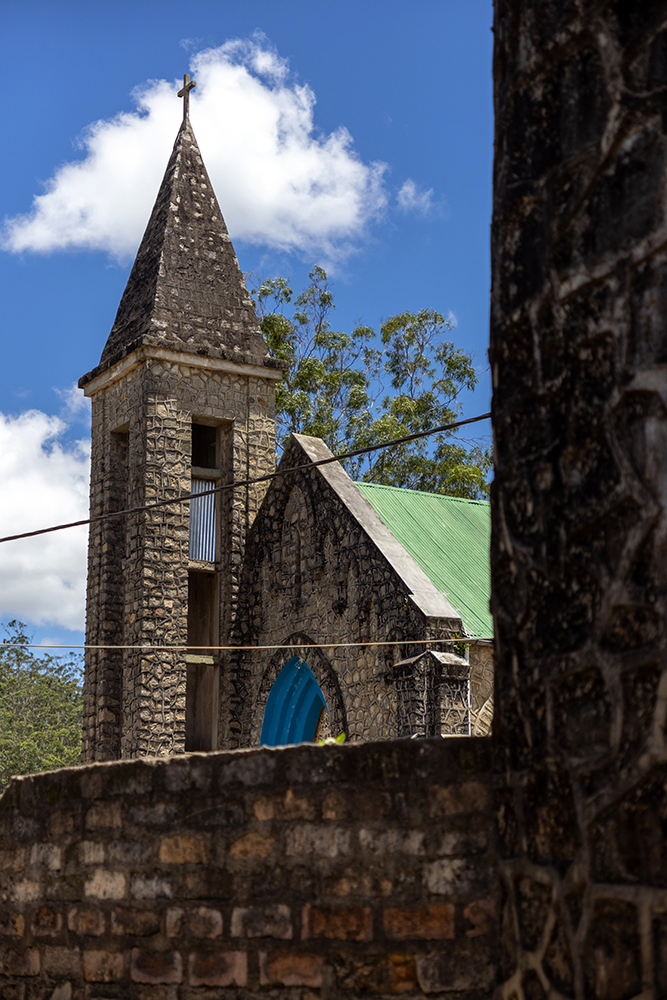
Tuk-tuks and motorcycles puttered along the brick road, their passengers waving at us as they passed, and we wandered passed shops that were selling all sorts of goods from fresh vegetables to cut meats, to toys and fabrics. Along the way, Ghislain pointed out interesting sites like the local school and church, and we were able to shop a bit if we wanted to.

All in all, Andasibe was significantly less chaotic than the markets we’d visited earlier in the trip in both Addis Ababa and Antananarivo. The pace of activity seemed slower, which was fine with me since the heat of the morning was already becoming oppressive. We meandered down the street until came to a liquor store at the end of the main road. The shop was fully stocked with local rums and sodas, and many members of the group seized the opportunity to buy vanilla rum to take home. We also sampled a local soft drink called Bonbon Anglais, which is a creme soda. It tasted sweet and refreshing.
While we waited for everyone to make their purchases, Richard and Caleb noticed a man unloading crates of drinks, and they helped him carry several crates into the shop’s back storage room before it was time for us to keep moving.

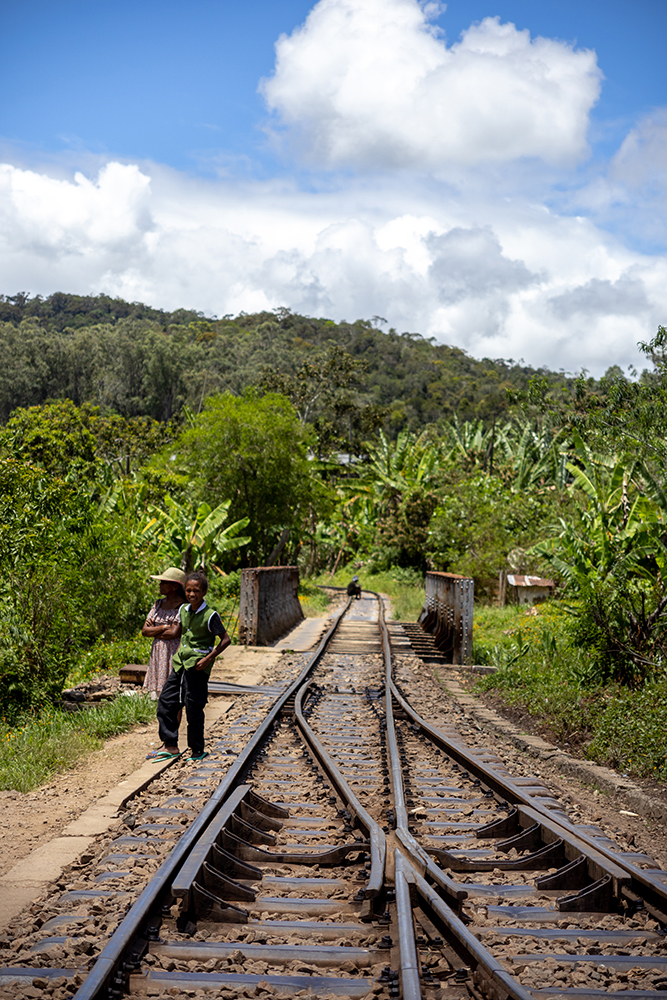
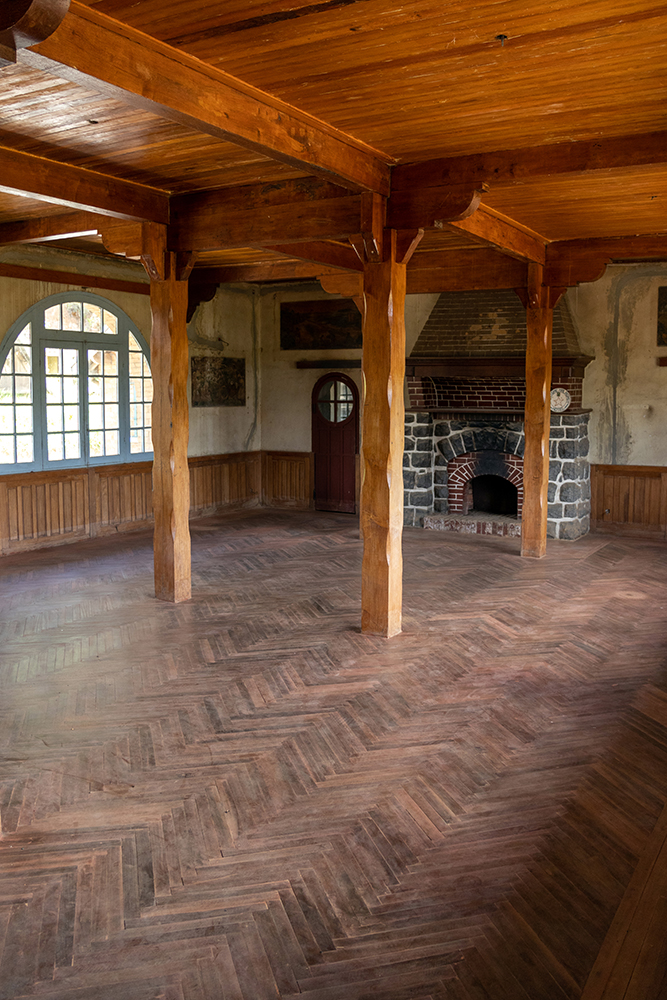
We walked across a bridge where we found ourselves on a set of railroad tracks leading to Andasibe station. There are no passenger trains that currently run to Andasibe station, but freight trains still bring goods here. The old station is currently in disuse, but it is a really lovely piece of architecture from the colonial period.
We all had a bit of fun balancing on the railroad tracks, climbing up onto a lone train car, and peering through the broken windows of the old station. There was still beautiful woodwork and murals on the walls inside of the abandoned building.
After that, it was time to board the bus and start the four hour drive back to Tana. Our bus driver met us outside of the station, and we all hopped on and settled in for the long drive. Thankfully the scenery along the road was stunning, so there was always green mountains to look at while Ghislain filled the time by teaching us about the dowry system that is still used in many communities throughout Madagascar. We also got to stop at a roadside stand to try tree tomatoes (tamarillos) along the way. These tasted nothing like a tomato. They had a sweeter, more fruit-like flavor, and were very refreshing.
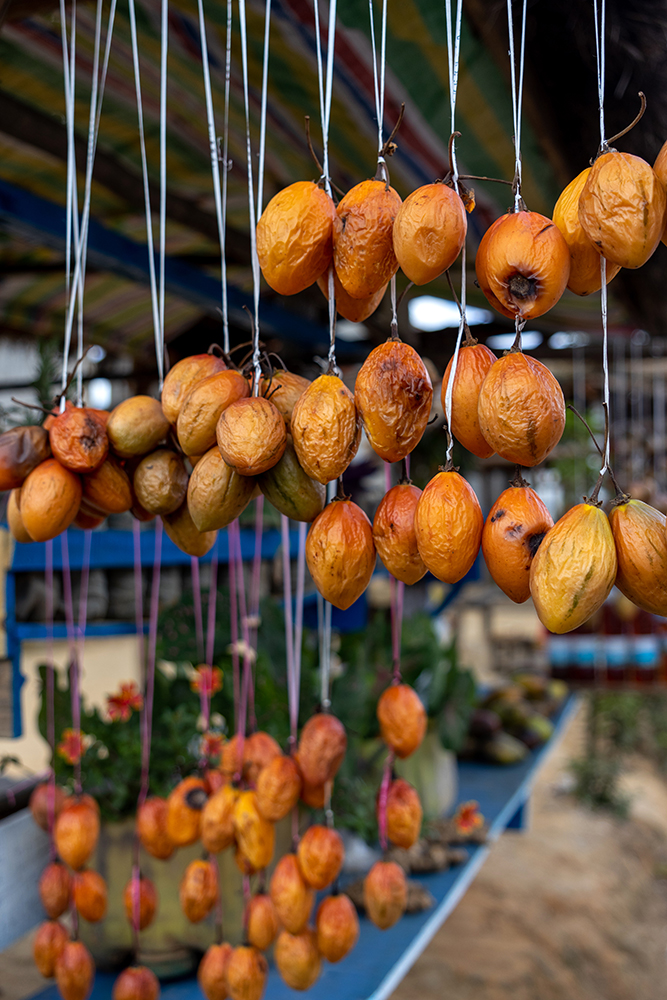
In what felt like no time, we had arrived in the small community where we would have our last official activity in Madagascar. But first we stopped into a restaurant for a lunch of local Malagasy food. We followed one of the cooks back into the kitchen where there were several pots of food simmering on a huge stove. She lifted the lids from each pot one by one as Ghislain translated what dishes they contained. We ended up ordering several dishes to share between the group, family style, and soon after, we’d all eaten our fill and were ready for a visit to the nearby Peyrieras Reptile Reserve.
The reserve was founded by a French entomologist named Andres Peyrieras, and it houses collections of reptiles and other native Malagasy fauna. But when we arrived at the reserve and met the guides that would show us around, they immediately led us off into the forest in search of a wild animal to start the tour.

They led us up a hill in search of a troop of Coquerel’s sifakas that visit the reserve at feeding times. It was a short hike, but steep enough to get my blood pumping, and when we reached the top, the sifakas were there waiting for the bananas the guides had for them. One of them had climbed down to the base of a tree trunk and was patiently waiting right next to the trail.
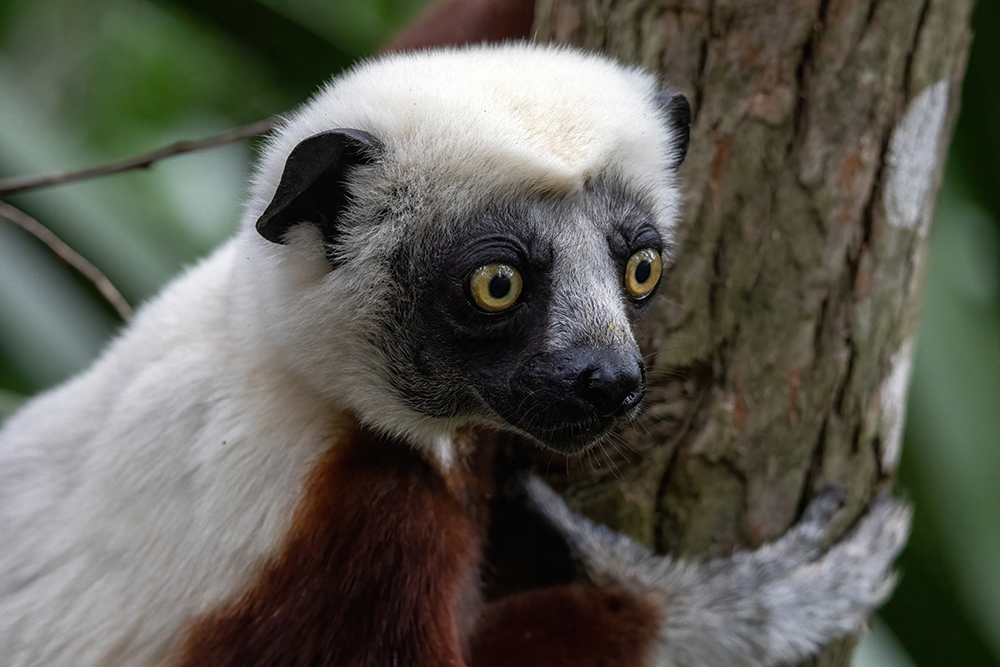
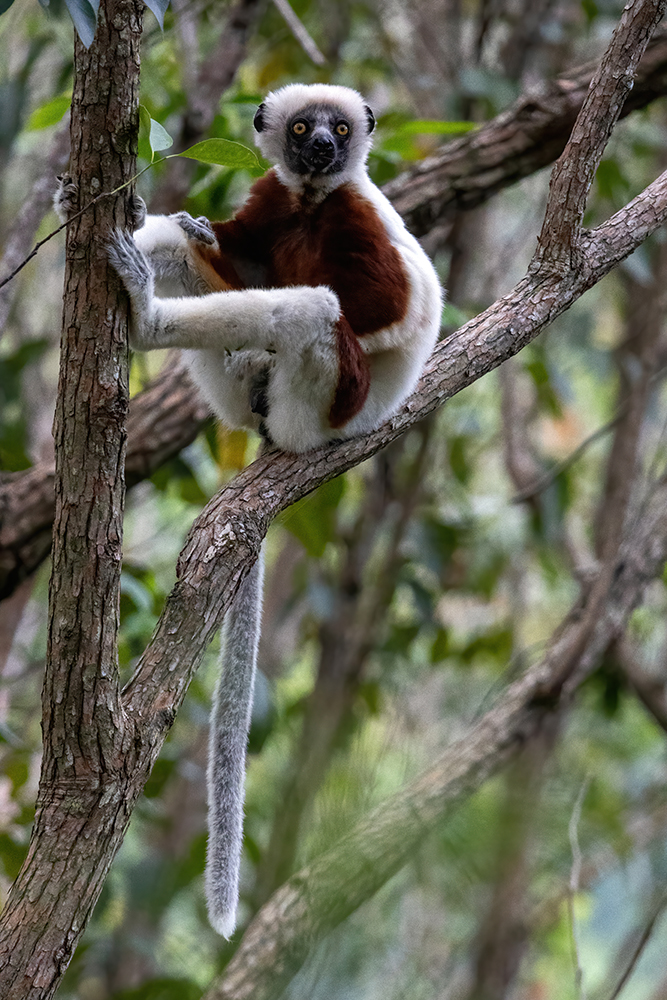
This was the thirteenth and final lemur species we would see during our time in Madagascar, and they quickly became one of my favorites. Their coats were a beautiful white with red fur on their arms, legs, and chests, and they had large, golden eyes that eagerly searched for whoever was holding a banana. Like many of the other wildlife species we’d encountered during our time in Madagascar, Coquerel’s sifakas are critically endangered due to habitat loss and hunting, and sadly, one of the lemurs in this troop was suffering from a nasty looking head wound. I wondered if it had had a close call with a fossa.
There were a handful of lemurs in the troop, and most of them stayed higher up in the trees, quietly watching us.
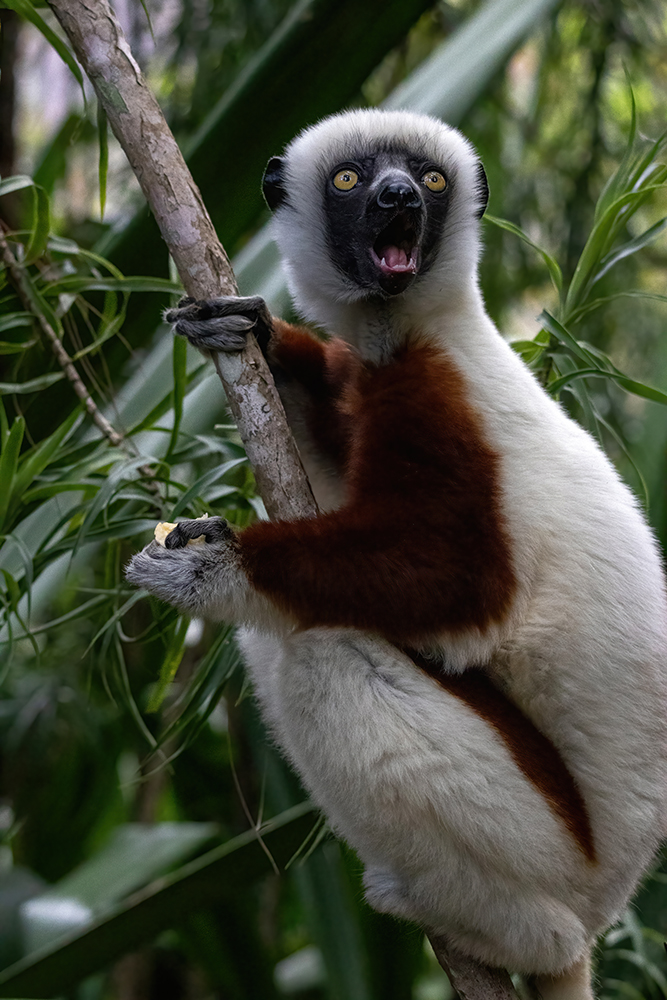
But the few who did come down, were happy to be hand fed, and our guides doled out bits of banana to whoever wanted a turn feeding them. There was a young lemur who was particularly eager for food, and perched on a shrub near the trail, accepting treats from all who offered them. When it was my turn, the lemur gently grasped my hand and licked the banana off of my fingers. It’s fur was unbelievably soft, and I was also shocked at how polite it was compared to the brown lemurs we’d met the previous day.
I could have happily stayed with the sifakas for hours, but sunset was fast approaching, and there was still much more to see at the reserve before nightfall. I was a bit sad when our guides indicated that it was time to move on. All of the lemur species we’d seen were the highlight of our trip for me, and it was hard to say goodbye to them. But I followed the guides back downhill until we reached a clearing filled with several reptile houses. My sadness evaporated as we stepped over the threshold of the chameleon house though. I’d been looking forward to this for months, and I excitedly joined the rest of the group in searching for chameleons amongst the leafy foliage that grew inside the enclosure. In no time at all, everyone was finding colorful chameleons hidden in the greenery.

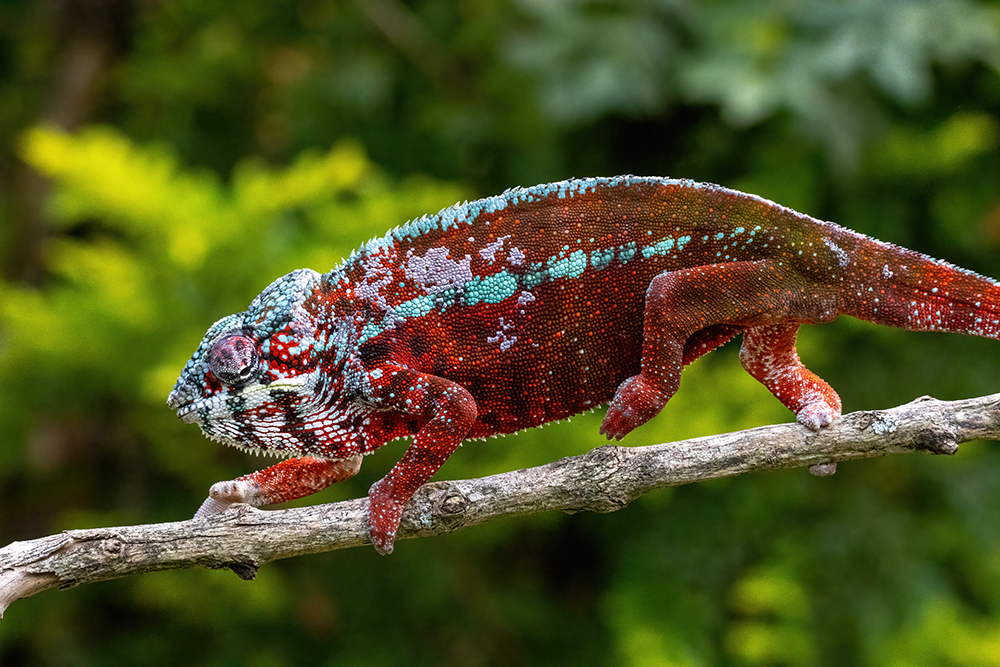
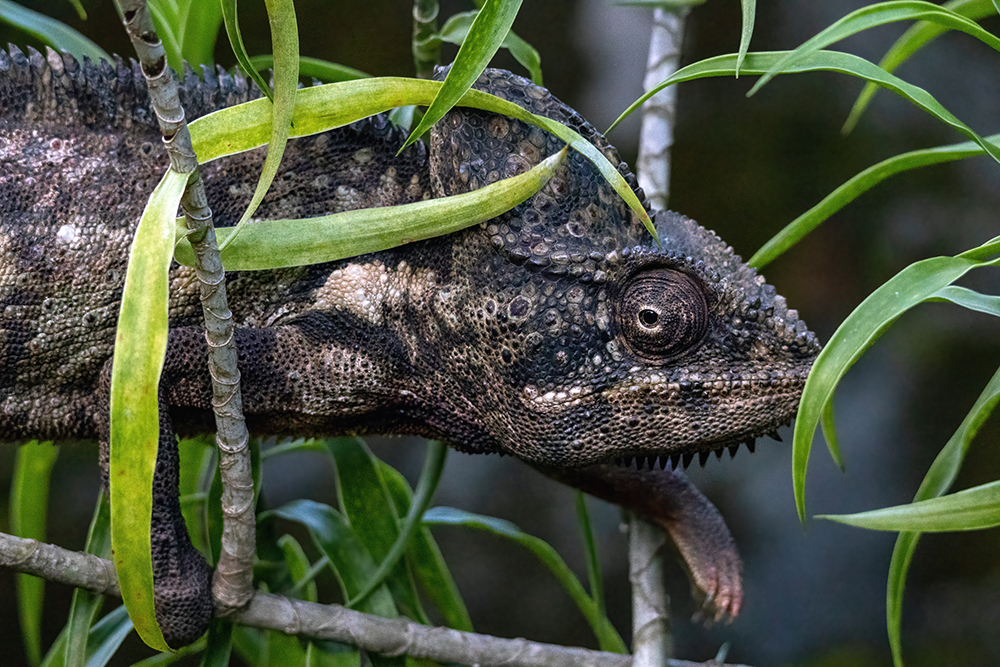
There are about two hundred species of chameleon in the world, and about a hundred species can be found in Madagascar. Many of these species are endemic to only Madagascar. We were able to see a much wider variety of chameleons in the reserve than we had seen out in the wild over the course of our trip, and their colors were absolutely fabulous. I was amazed at how vibrant some of them were!

We were also allowed to carefully handle the chameleons if we wanted to. The claws on their little hands were sharper than they looked, and felt very strange when they pinched onto my skin.

After a quick photo, I put this guy back onto a nearby branch, and then noticed that the guides were gathering everyone up to show us something. They split us into two groups, and I joined the group that was forming near a couple of brightly colored panther chameleons that I’d already photographed. The guide held out a stick that had a large, winged insect on it end. It was feeding time.
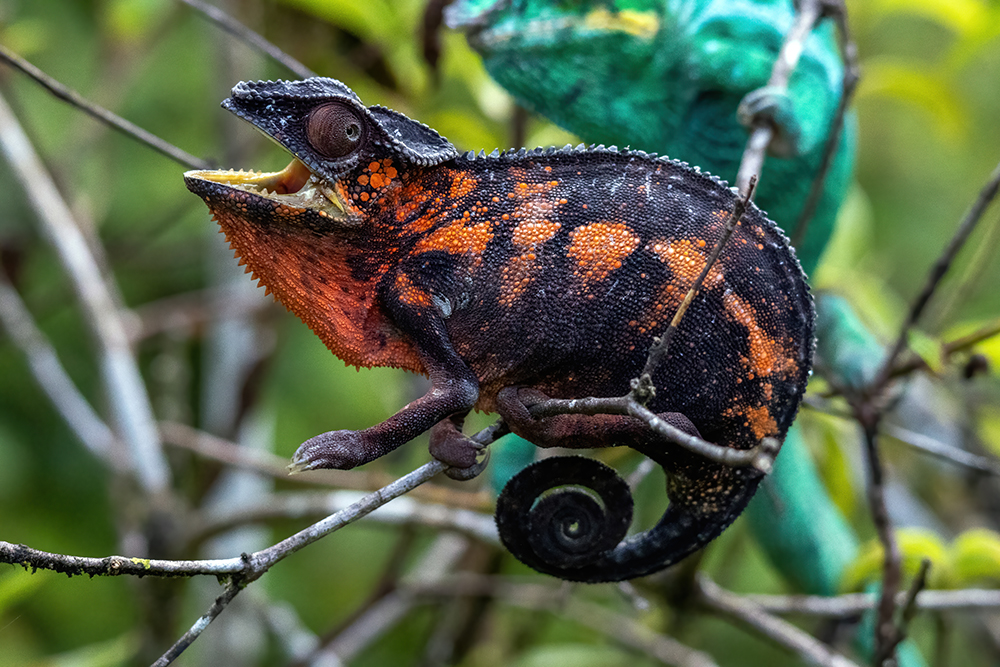
But rather than go for the bug, the aqua chameleon went strait for the orange chameleon’s throat instead. He latched onto the smaller male’s neck and bit down as hard as he could. The guide quickly intervened, separating the two, and placing the orange chameleon safely onto another tree. Now the aggressor would get all of the food, exactly as he wanted.
With the situation under control, the guide once again proffered the bug-on-a-stick, hovering it at least a foot away from where the chameleon perched. He immediately spotted the food, calibrated himself by standing on his hind legs, and then shot his tongue out to retrieve the insect so quickly that I could have missed it if I blinked. He repeated this feat a handful of times, and each time I was thoroughly amazed.
Chameleon tongues are absolutely fascinating . They are about twice as long as the animal’s body, and move incredibly fast. They are also coated in a sticky substance that aids in capturing insects. Watching the chameleon project and retract his tongue and then chew on the bugs was a definite highlight of the day. It was also a little gross, but I couldn’t tear my eyes away as the bugs crunched between the reptile’s powerful jaws.
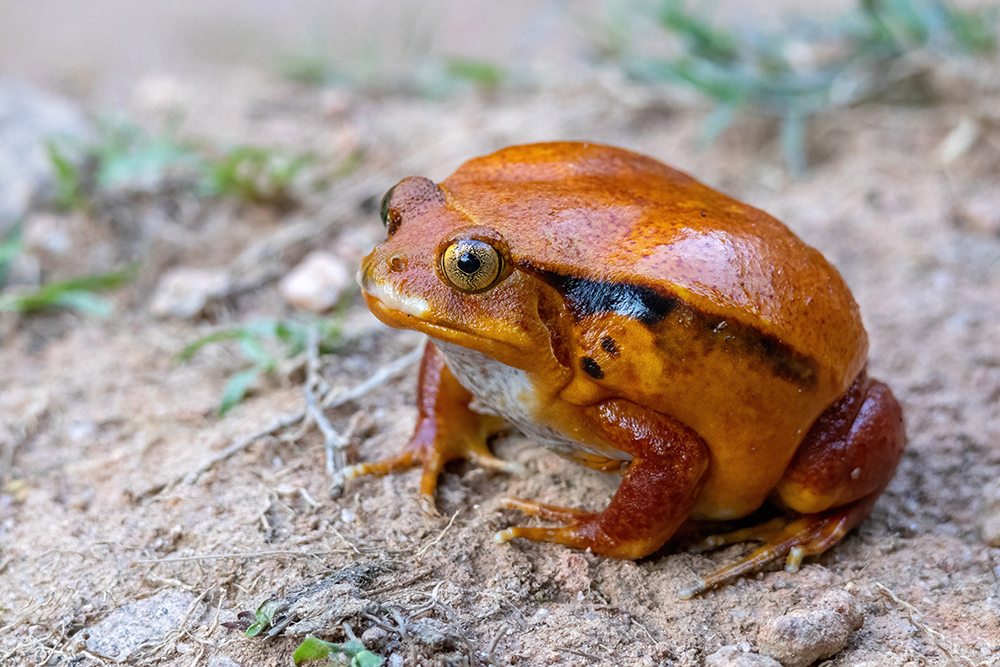
When the feeding was over, we had to move on to some of the reserve’s other enclosures. We were quickly losing daylight now, so there wouldn’t be time to dawdle anymore. Next up, we made a quick stop at the frog house were were saw a few vibrant, but poisonous mantella frogs. My favorite species in this enclosure was the tomato frog. As its name would imply, it was the approximate shape and color of a plump, ripe tomato.
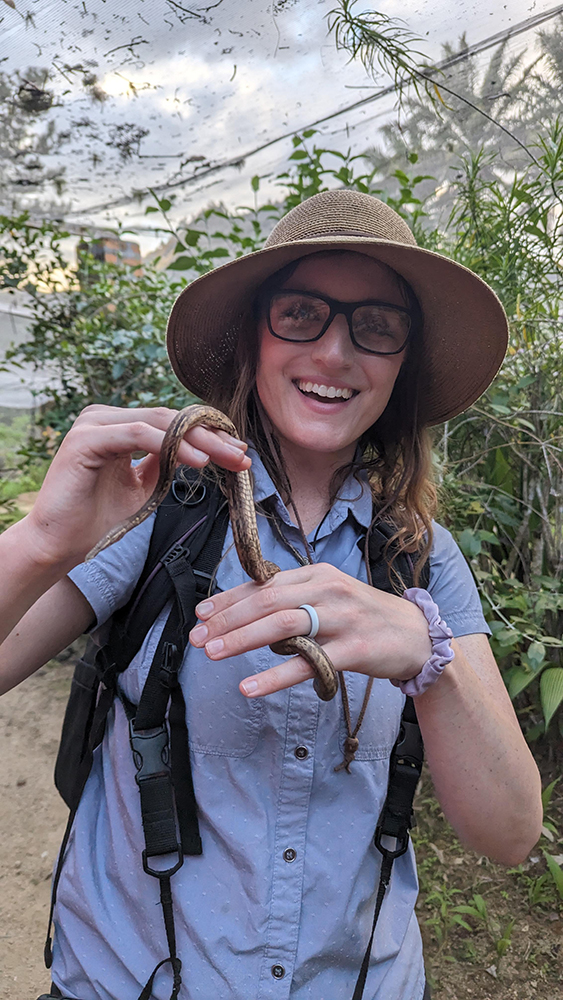
Moving along through the different enclosures, we also saw snakes, mossy leaf tailed geckos, a giant moth, and a couple of much smaller chameleon species. We even got the opportunity to hold a couple of the snakes. I chose to hold a leaf-nosed snake, which has leaf shaped snout that’s perfect for camouflage.

After speed-running through the remaining reptile houses, our tour of the reserve ended with a quick view of a very shy tenrec. Tenrecs are mammals that resemble hedgehogs, although they are actually more closely related to elephants than they are to hedgehogs. This one only came out of its hide long enough for me to snap one photo, but I was glad to get a glimpse of another species that is mostly found in Madagascar to end our week of amazing Malagasy wildlife encounters.

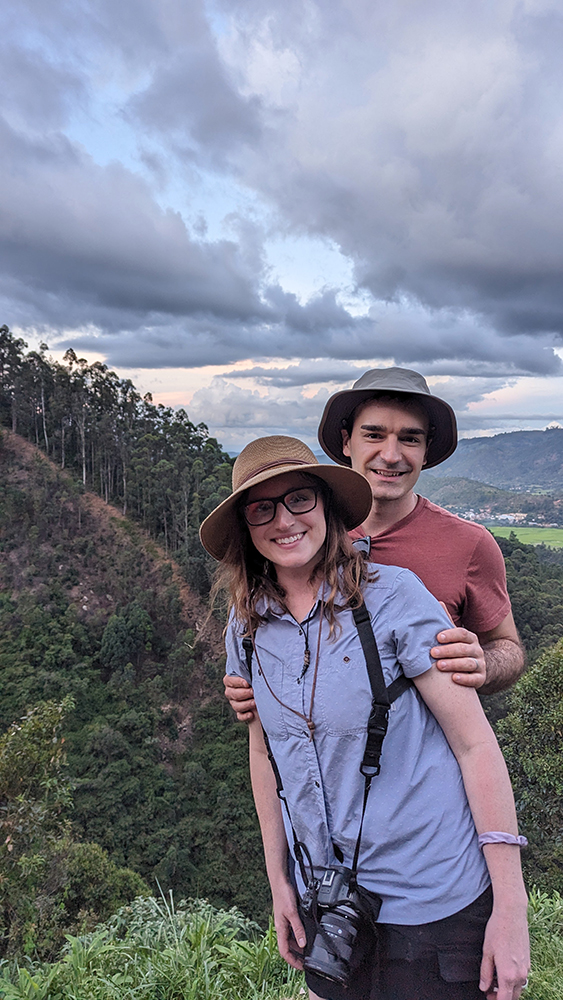
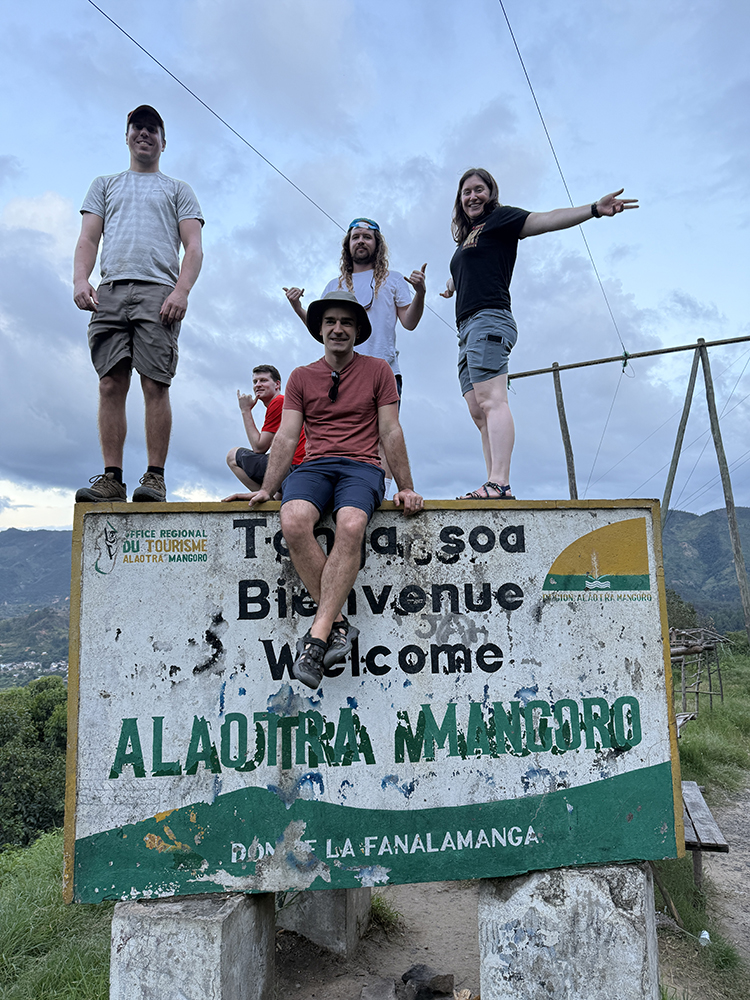
The sky was melting into sunset as we thanked our guides and got back on the bus, bound for Antananarivo. A little ways down the road, we made one last stop to take in a sprawling mountain view illuminated in the soft glow of the waning sun.
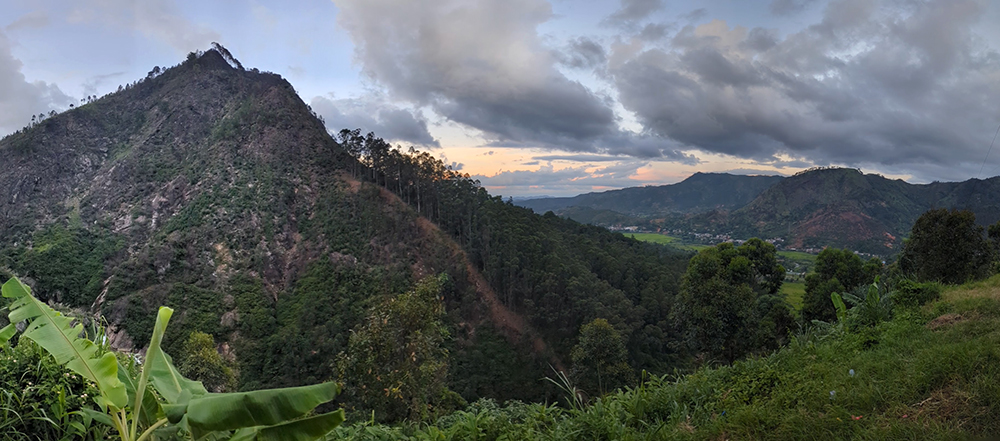
This would be our last point of interest in Madagascar, and I did my best to cement it into my memory. I inhaled the fresh scent of mountain air, wishing I could stay longer. Unfortunately that wouldn’t be possible, but there were still lots of things to look forward to.
We continued the drive into Tana, arriving after dark with just enough time to grab dinner before bed. The next morning, Ghislain arrived early to take me, Vince, Caleb, and Anna to a hospital that wasn’t far from our hotel. We were all hoping that Caleb could get his stitches removed before we left the country, but the doctor that saw him told him that they should stay in for ten days in total, and that he should be sure to keep the wound covered during the rest of our trip, because we were headed to a much dustier destination soon.
After we left the hospital, we rejoined the group for a drive back to the airport. We said goodbye to Ghislain, who had been an exemplary guide, and then went inside to board our flight that was bound for Maputo, Mozambique. Our time in Madagascar was over, but there were still many adventures to be had. As our flight took off, I looked out of my window for a last view of the rice fields that surround Antananarivo. I had loved almost every minute I’d spent in Madagascar (I could have done without Caleb getting a head injury), and I was already mentally scheming about returning someday to see more of this incredible country, and its unique wildlife.
You can see more details of this amazing destination on my YouTube channel!






 birdsoftheairtravel.com
Again, you’ve capture me by letting me see such beautiful creatures. The lemurs and chameleons are wonderful. It was interesting to see the tamarillos, as they are well known to us in New Zealand – and, my favourite fruit.
Thank you! That was my first time trying a tamarillo, so delicious!