The moon herself grew dark, rising at sunset, Covering her suffering in the night, Because she saw her beautiful namesake, Selene, Breathless, descending to Hades, With her she had had the beauty of her light in common, And mingled her own darkness with her death.
~Crinagoras of Mytilene, Eulogy of Cleopatra Selene II
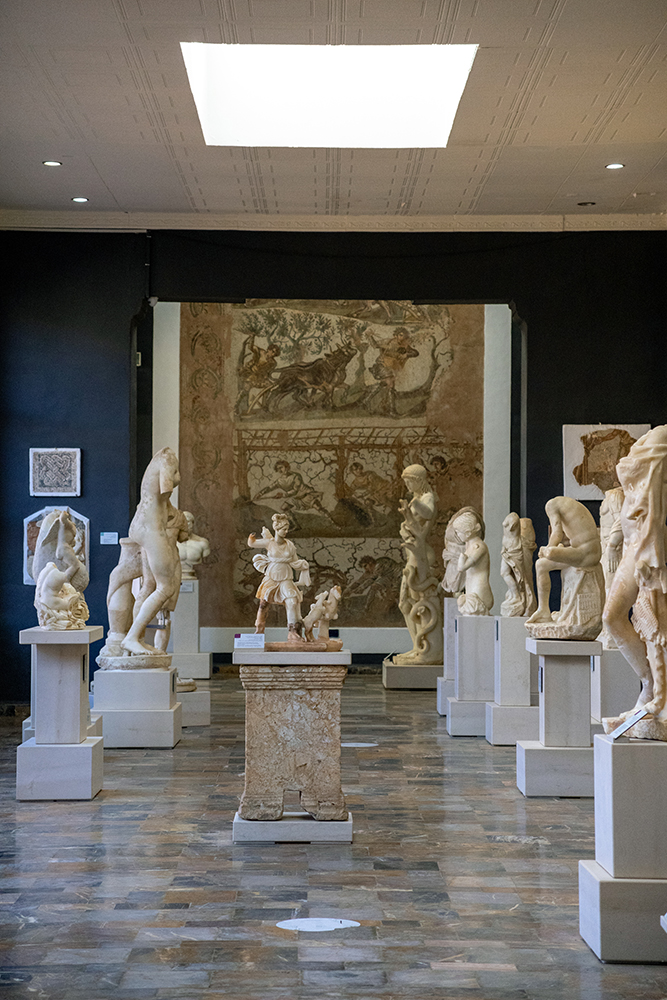
Soft, natural light illuminated the marble face of a woman, crowned in a ring of tight curls. Her mouth was set in a determined line with only the hint of upturn on the sides of her lips. Although her smooth eyes stared blankly back into my own, a furrow in her brow conveyed an emotion lost to time. She looked strong, confident, unyielding. This bust had drawn me in, even in a museum full of statues, busts, and intricate mosaics. In a room covered with beautiful works of art, something about this woman was compelling.

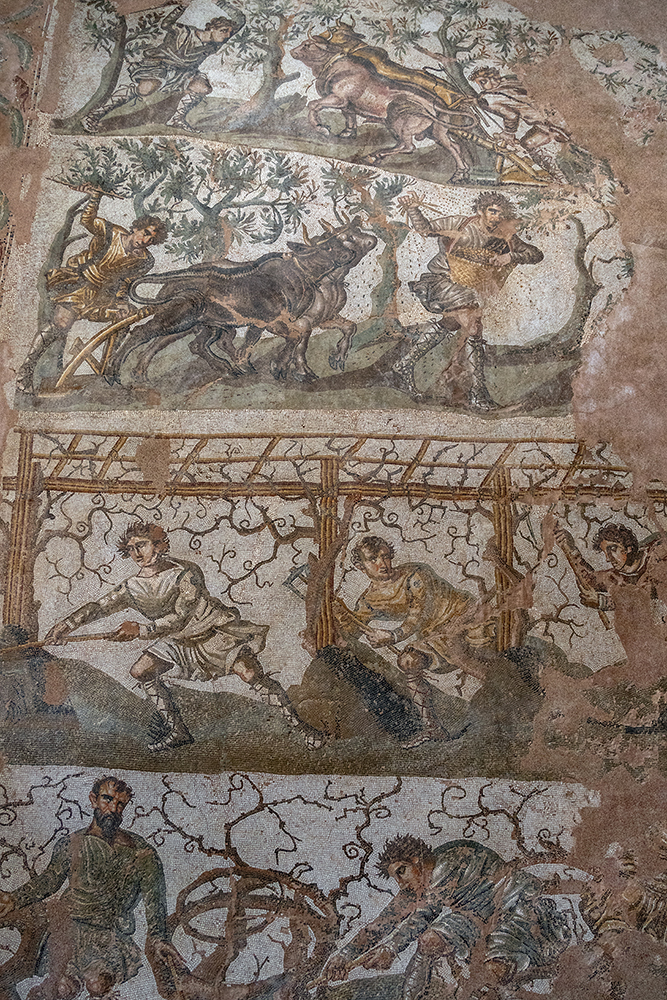
Dozens of unseeing eyes watched me as I stood in the Archeological Museum of Cherchell, Algeria. All of the sculptures that surrounded me, and the mosaics fixed to the walls, had been excavated from the earth beneath Cherchell, but these artifacts were crafted thousands of years earlier when the land below my feet was part of Caesarea. Caesarea was the capital of the Kingdom of Mauretania, an independent kingdom that was later a client state of the ancient Roman Empire.

One of our guides from Izelwan Travel caught me studying the bust and approached to say, “You know Cleopatra VII and Mark Antony?” I nodded and he motioned to the marble face “She was their daughter, Cleopatra Selene II.”
Throughout the course of our day I would learn much more about Cleopatra Selene II. Born in the year 40 BC, her childhood would have been fascinating enough, being the daughter of Cleopatra VII and Mark Antony, but she went on to become a queen herself after witnessing the fall of the Ptolomaic Dynasty. When Octavian (Caesar Augustus) defeated her parents, Cleopatra Selene was captured along with her two brothers that had been fathered by Mark Antony. The children were taken back to Rome and placed in the household of Octavia Minor, Antony’s estranged wife, and Octavian’s sister. Later Caesar Augustus arranged for Cleopatra Selene to marry King Juba II of Numidia, and together they ruled Mauretania from the capital city of Caesarea until her death in 5 BC.
We took our time walking through the rest of the Archeological Museum. It’s four gallery halls surrounded an outdoor courtyard filled with fragments of columns and other large pieces of stonework. Meanwhile, the walkways inside were curated into a very pleasing, and balanced feeling exhibit. The interior was lit by sunlight streaming through windows and skylights, and the doors leading out to the courtyard were open, which allowed the fresh scent of the nearby Mediterranean to waft inside.
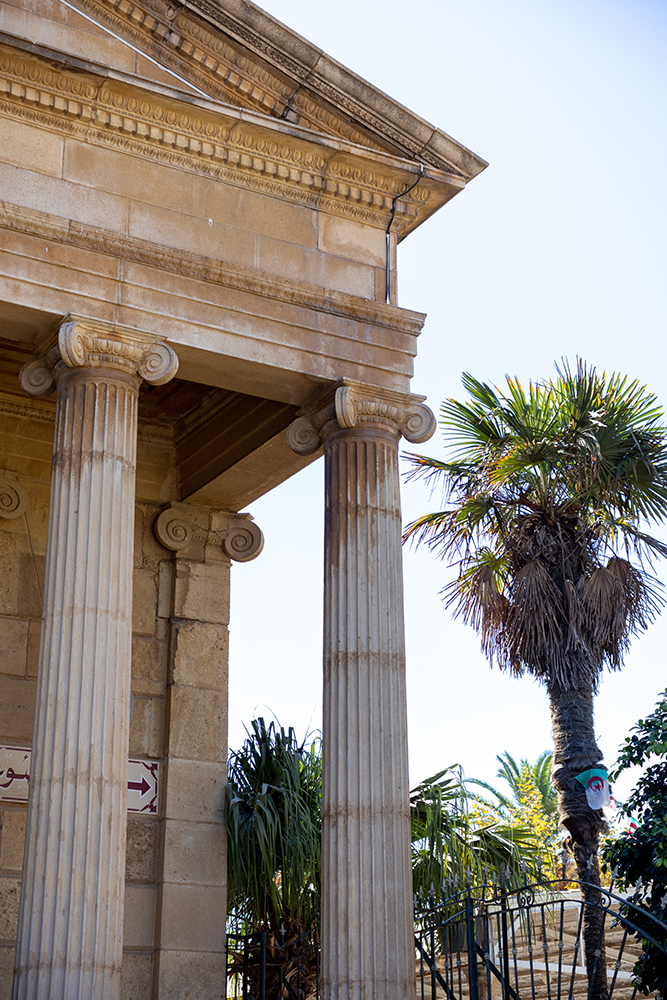
Eventually, we left the museum and stepped out into the blinding late morning light of present day Cherchell. But our foray into ancient Roman Mauretania wasn’t quite finished. Next, our guides led us across the street to see one of the most unique mosques I’ve encountered in my travels. El Rahman Mosque was adapted from it’s original Roman Pagan roots, to serve as a Christian Church during algeria’s period of French colonization. Today it has been converted again, this time into a mosque colloquially known as the Mosque of a Hundred Columns.
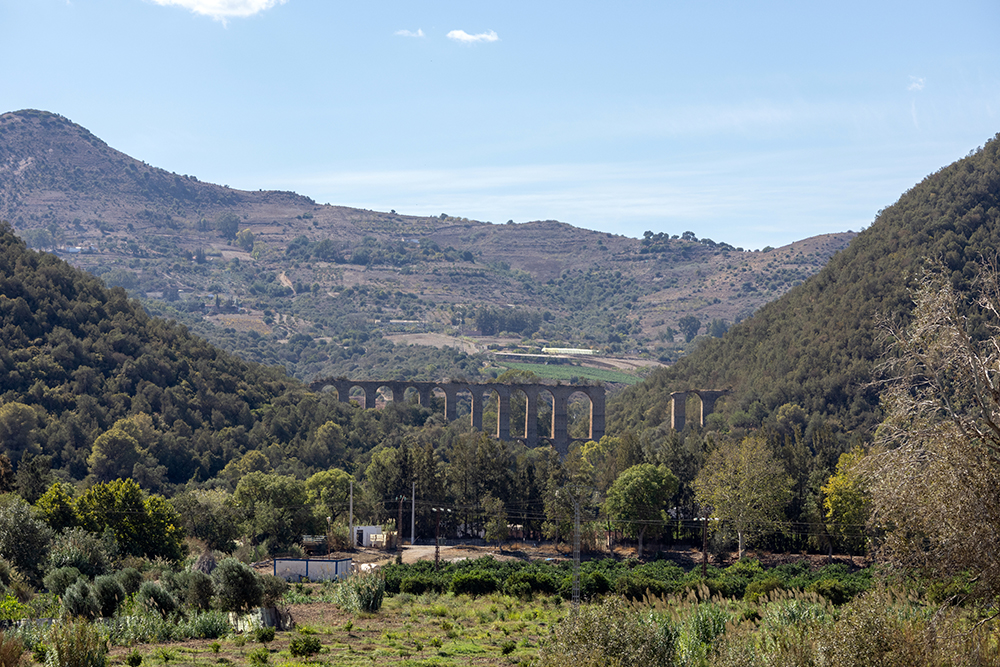
We took a short walk to see a couple of small sites with more Roman remains, and then left Cherchell, bound for another city along the tranquil Mediterranean coast, Tipaza. Along the drive, we got to stop and check out an ancient Roman aquaduct, which was distantly visible from the side of the highway.
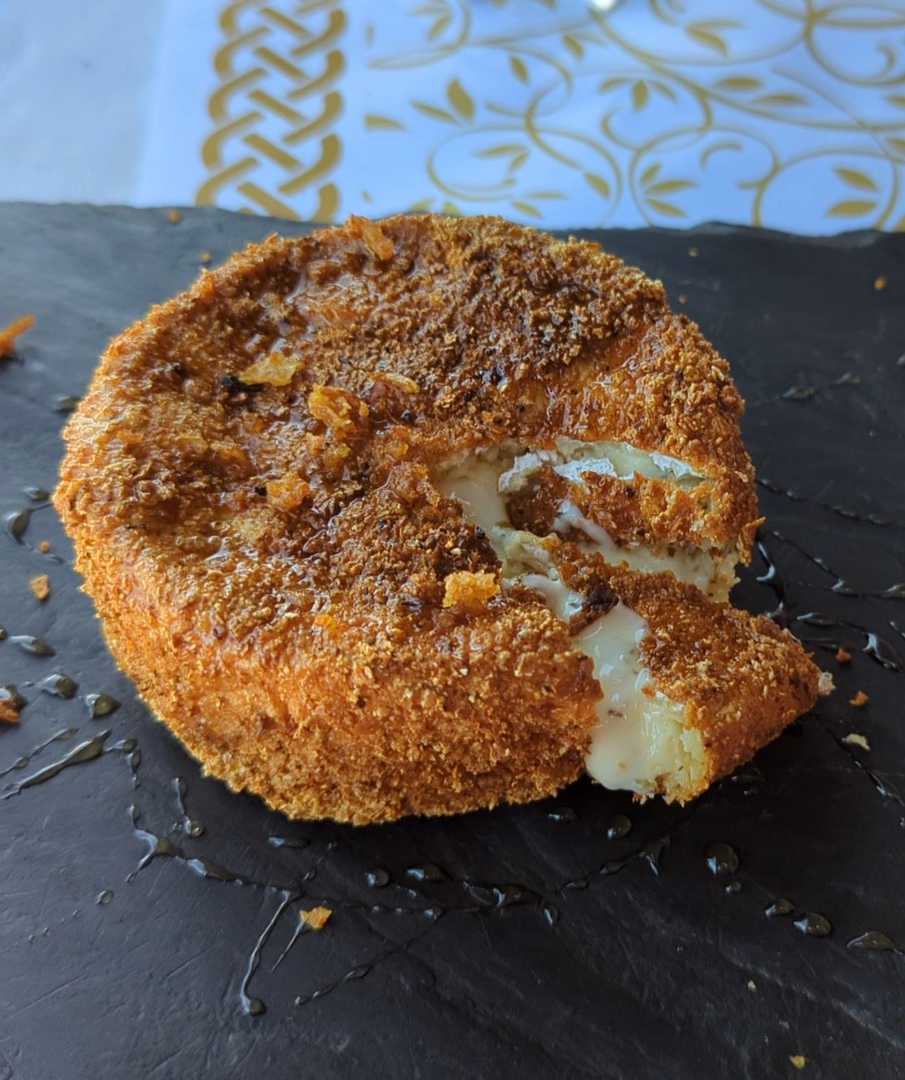
Within an hour, we had made it to Tipaza, where we were all looking forward to touring it’s idyllic, seaside ruins. But first things first, it was about time to stop for an early lunch. Our guides brought us to a seafood restaurant with a nice view of the city and waterfront. I’m not really a seafood person, but I also wasn’t particularly hungry, so I ordered an appetizer of baked camembert drizzled with honey. It made the most satisfying crunching sound when I sliced through its breaded crust, and melted cheese oozed out onto my plate. I spread some of it onto a piece of flatbread, and took a mouthwatering bite. It was really delicious, but that much cheese is more than even a cheese-lover like me can conquer in one sitting, so I passed it around the table to give everyone else a chance to try it.
After lunch, we were all uncomfortably full, and very excited to start our tour of Roman Tipasa. This would undoubtedly be the highlight of the day, and everyone was in high spirits as we entered the archeological park under the shade of tall trees with artfully twisted branches.
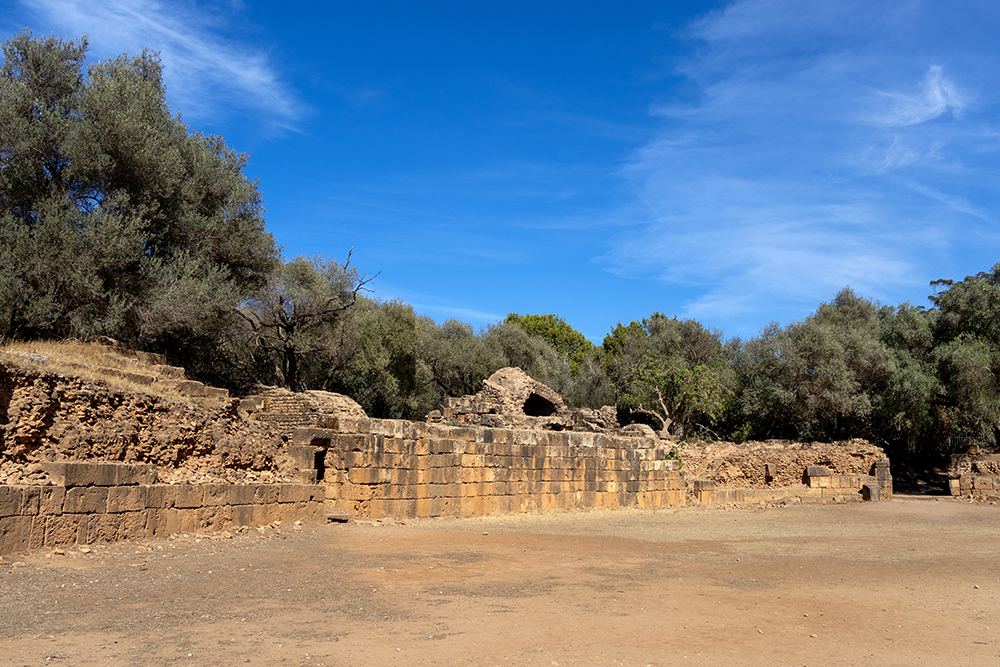
A site guide joined us and led us immediately to the center of the remains of a gladiatorial arena. He explained how the arena was used, and then let us enter a small chamber where gladiators would have waited for the start of a fight. I tried to imagine what might have gone through the gladiators’ minds as they waited. Would they have felt fear, or anticipation? The tension of these moments lost to the millennia seemed to seep out from the silent stone walls.
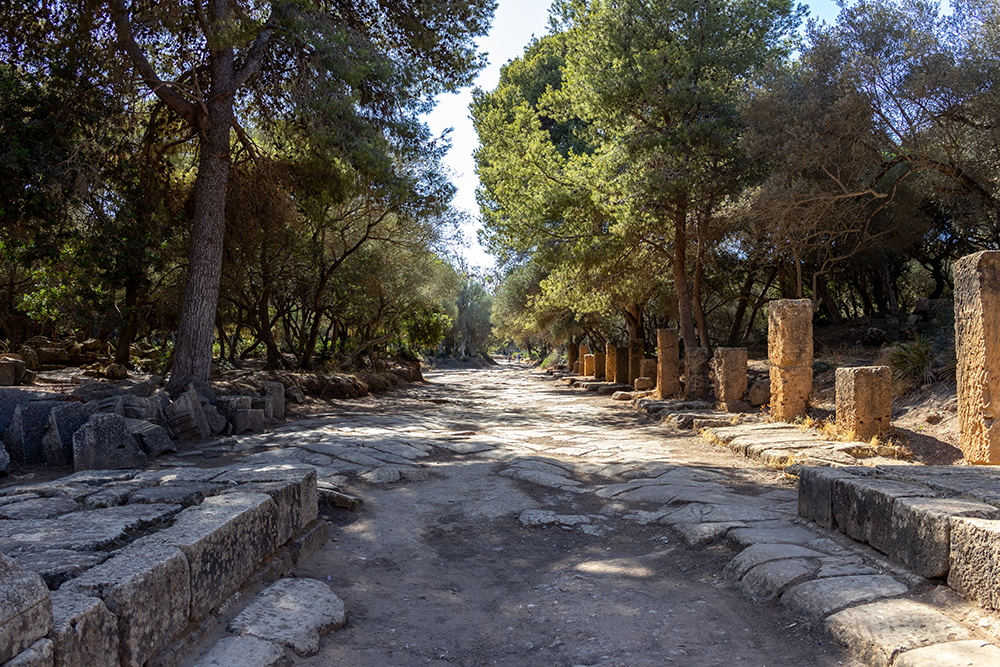
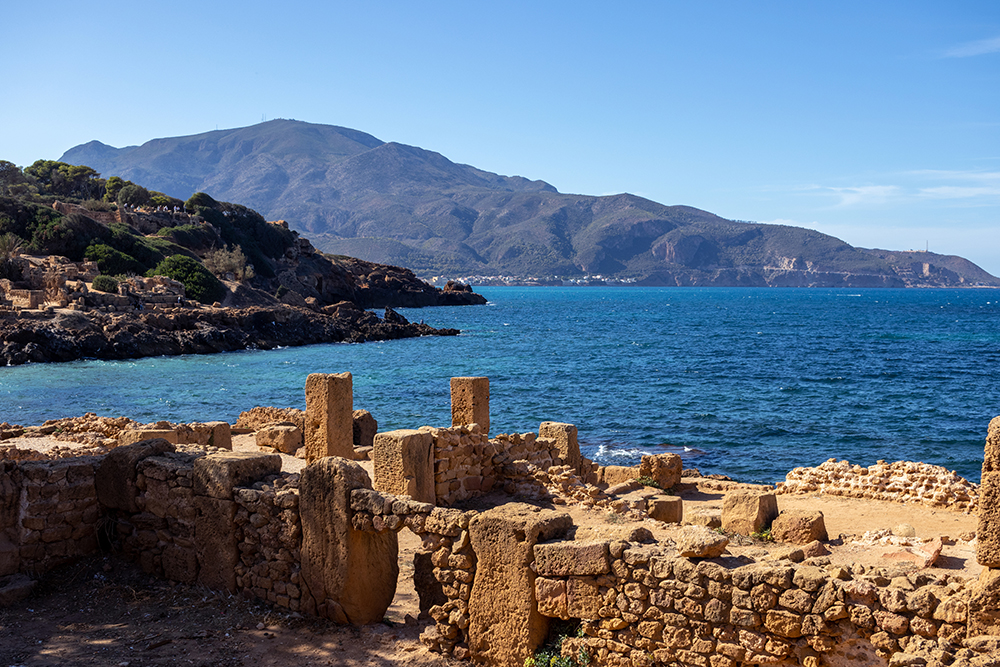
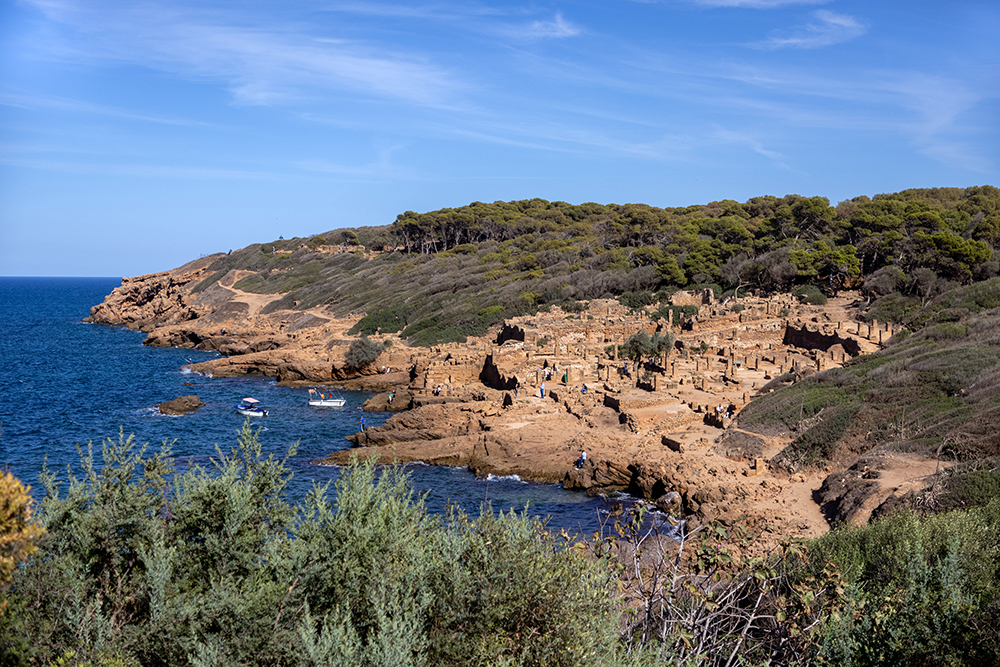
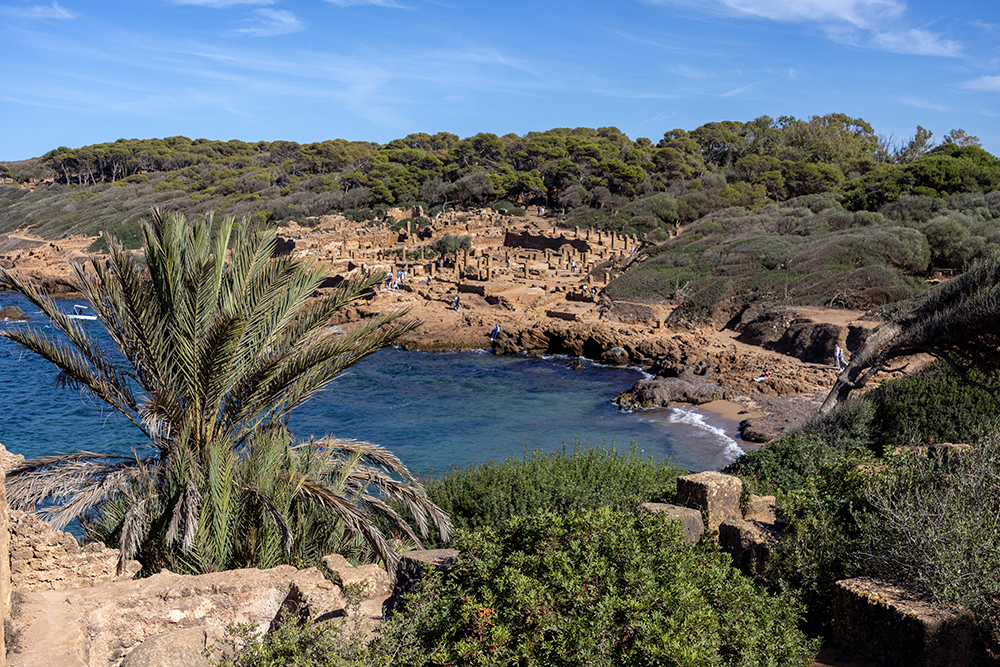
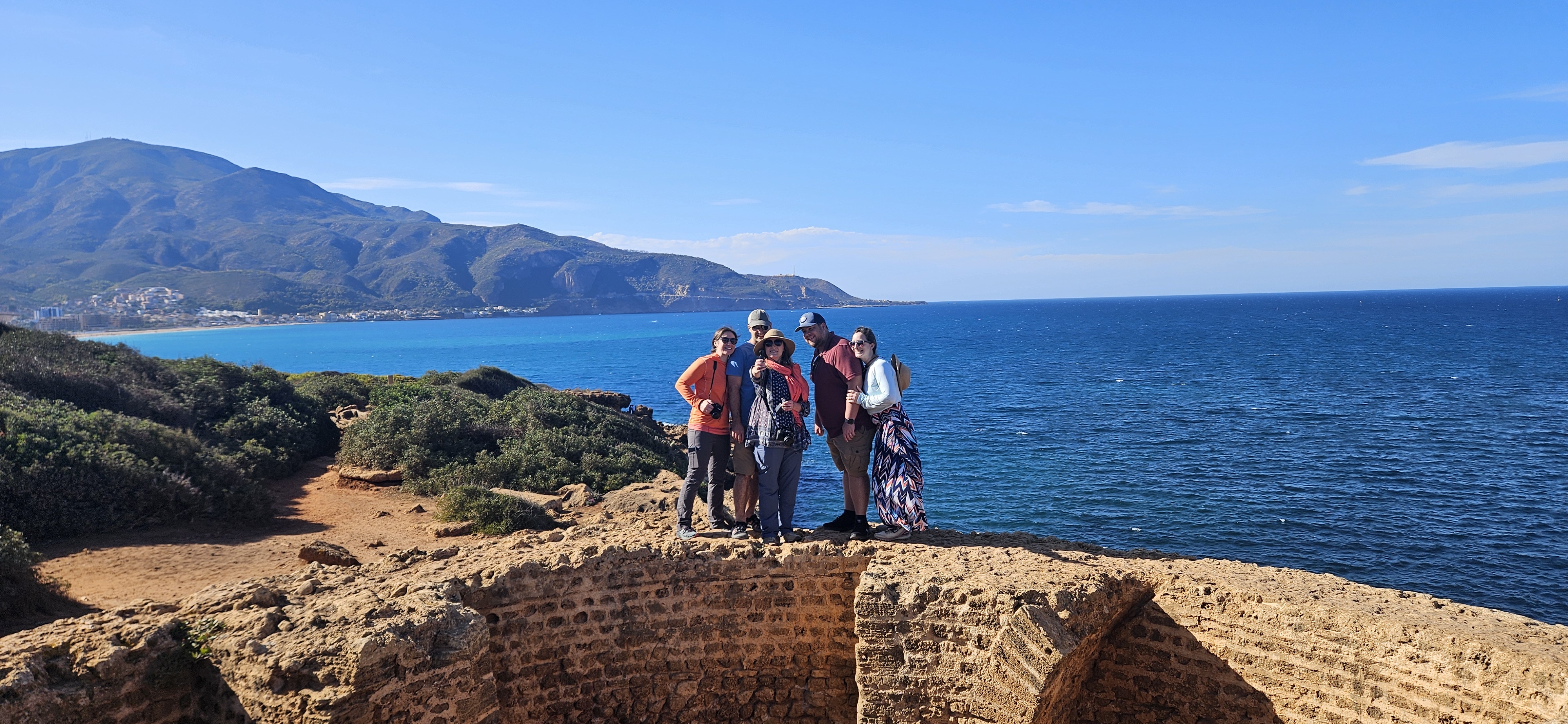
From the arena, we started walking along an ancient, well trodden road that led us between two temples, where we caught a glimpse of the Mediterranean. Now the road was lined with pillars and we followed the procession of stone columns downhill until we were standing on the seashore. We were surrounded by crumbling stone ruins with a backdrop of shimmering sapphire waters, and distant mountains. A couple of small boats bobbed in the water just offshore, and there were people scattered along the beach and cliffs, enjoying the beautiful view, and warm weather.
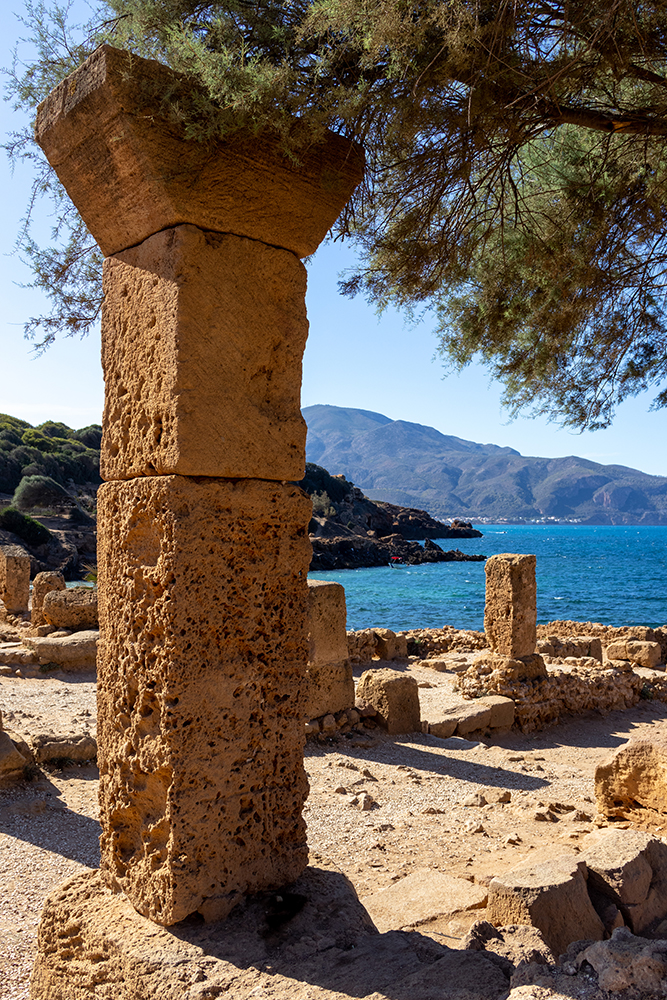
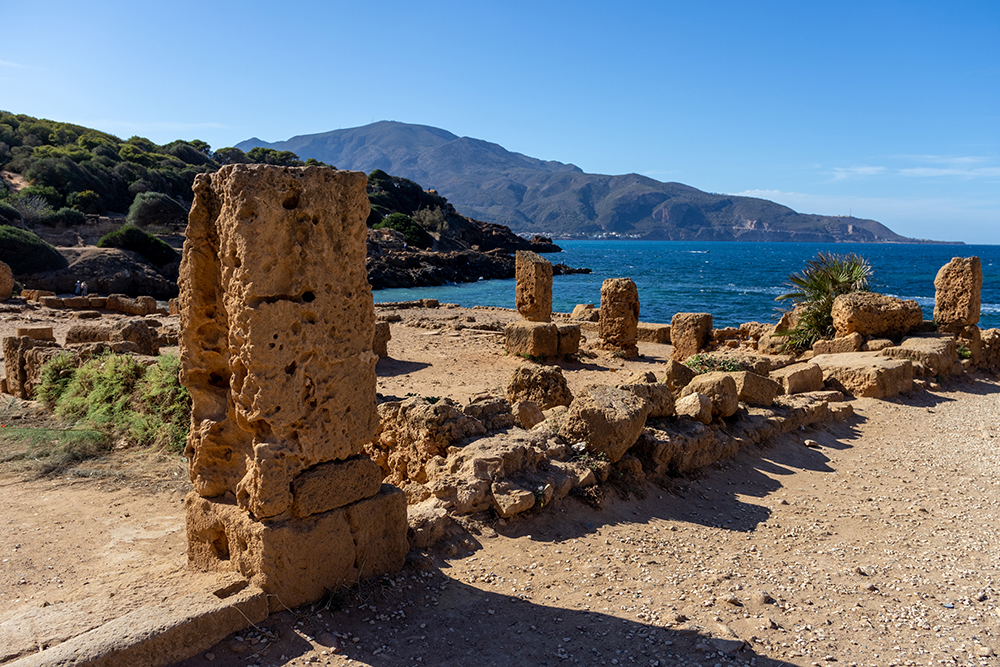
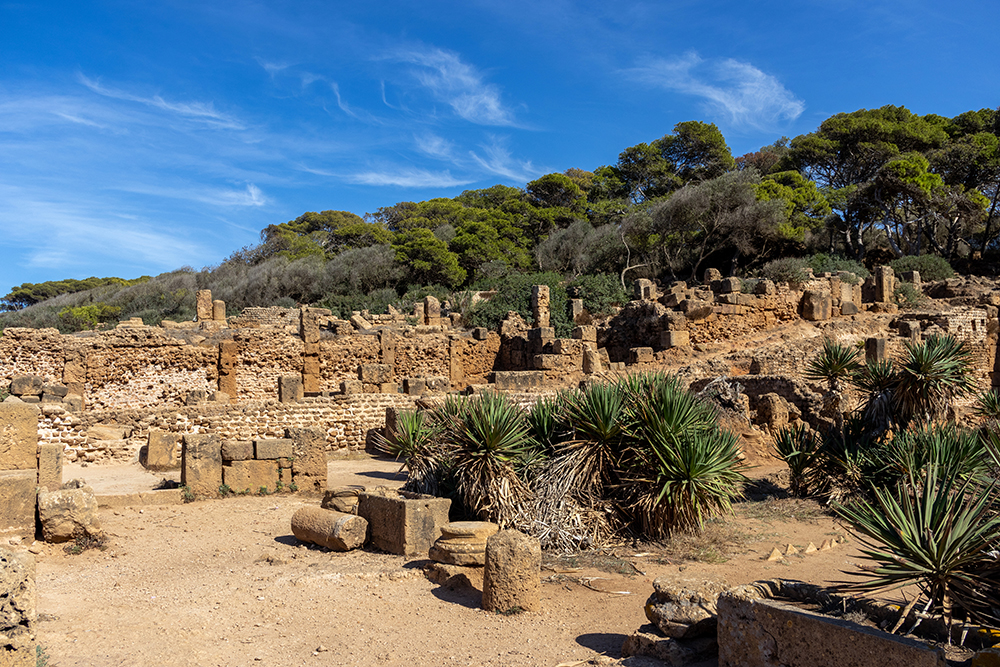
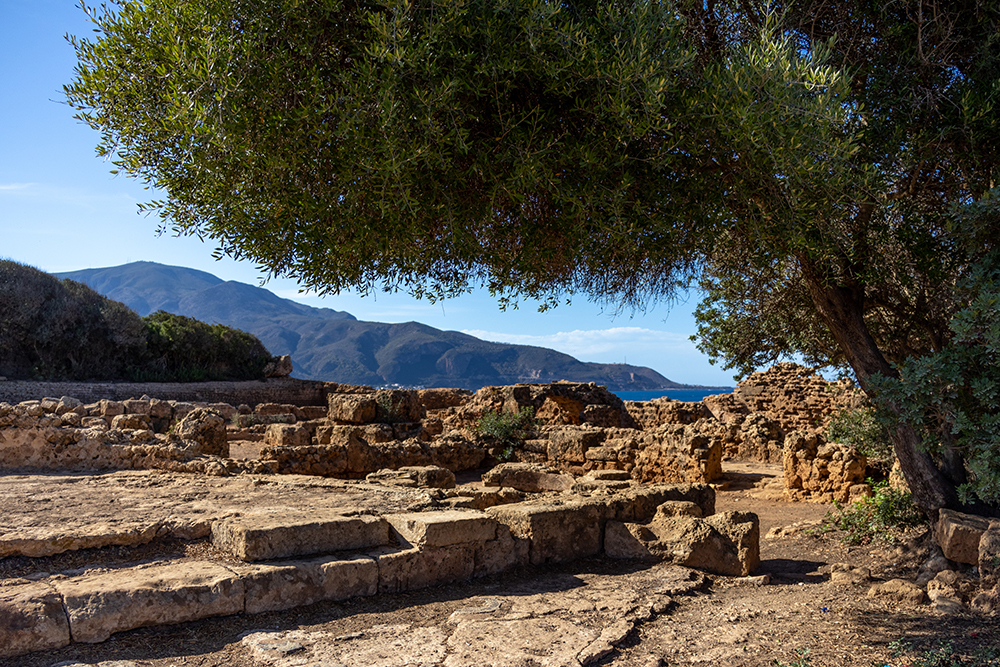
I inhaled a deep breath of the briny sea air, and enjoyed the feeling of the sunshine warming me as we took our time wandering through the ruins, and learning more about their history. Tipasa was originally a Punic trading post, but was conquered by Rome and turned into a military colony by Emperor Claudius. The city became a Christian center in the 3rd century AD, and Christian ruins are still visible at the site. Eventually, the city was conquered by the Vandals in 429, and fell into decline shortly thereafter. The modern city of Tipaza was established in 1857, and now the ruins of Roman Tipaza remain as a UNESCO World Heritage Site.
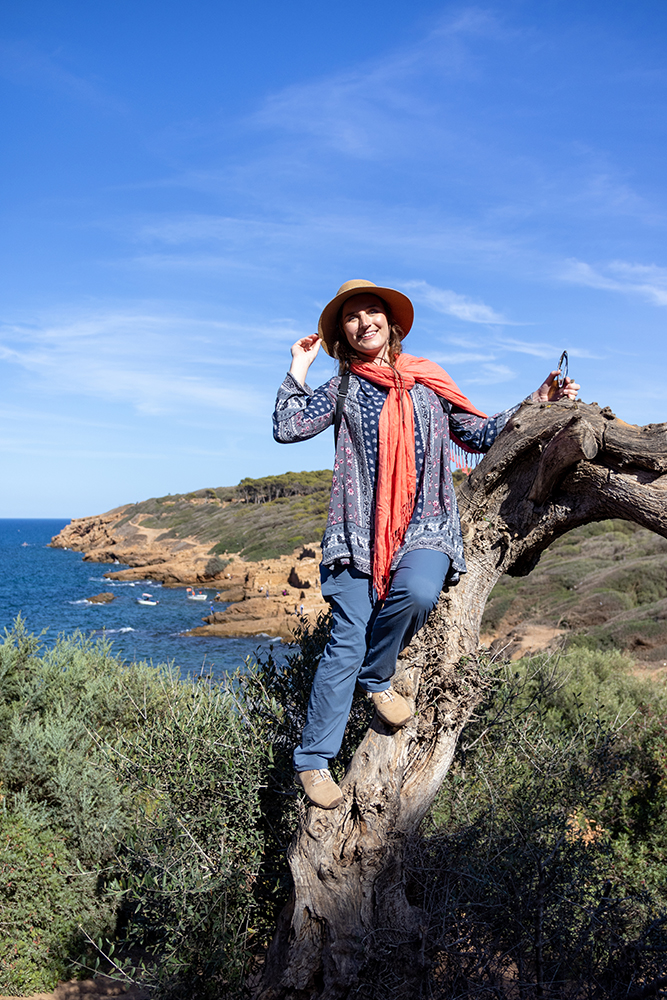
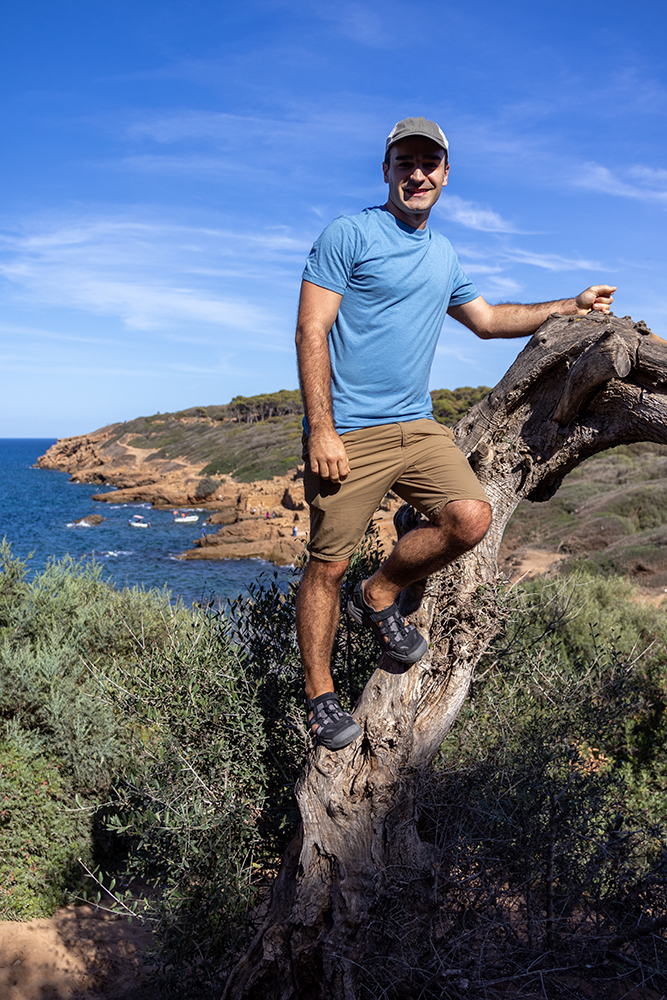
Our guides taught about various ruins as we walked along the shore, stopping to dip our feet into the sea before hiking uphill to find a panoramic overlook above the ancient city. A cooling breeze played with my scarf as I stood in the shade of twisted tree trunks that had formed in the direction of the prevailing wind, and looked down at the now distant rubble of old Tipasa. From the clifftop, the ruins looked like a museum diorama, miniature and almost too perfect to be real.
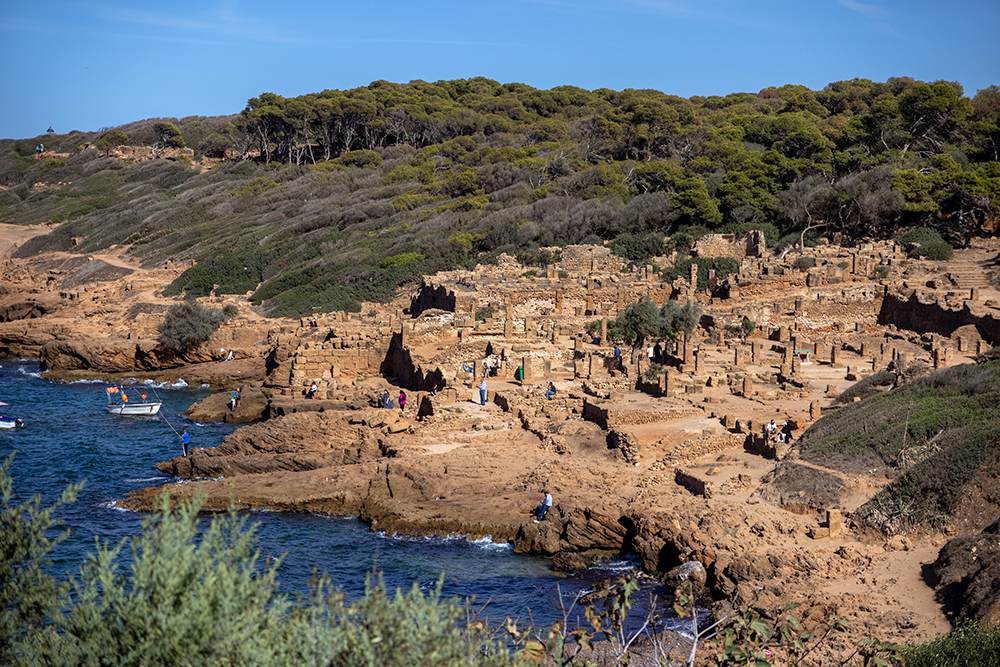
After ample time to pose for photos at the viewpoint, we continued our walk on the hilltop until we encountered the Basilica of Saint of Salsa. This is one of the remaining Christian ruins of Roman Tipasa, and was one of my favorite parts of the site because much of its original mosaic floor is still intact some 1600 years after the church’s construction.
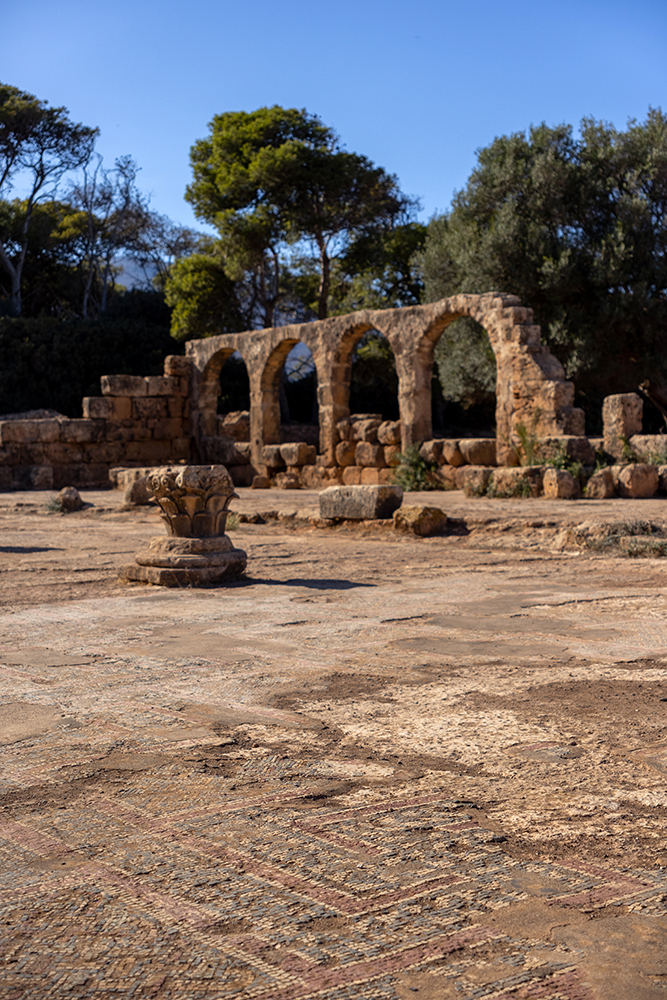
With the perfect weather and beautiful views in every direction, we all thoroughly enjoyed the remainder of our stroll along the clifftops as waves crashed against jagged rocks far below us. When it was finally time to descend from the hill, we took another route back to the site’s entrance, stopping along the way to explore the ruins of the city’s amphitheater and fountain, which were both in very good condition.
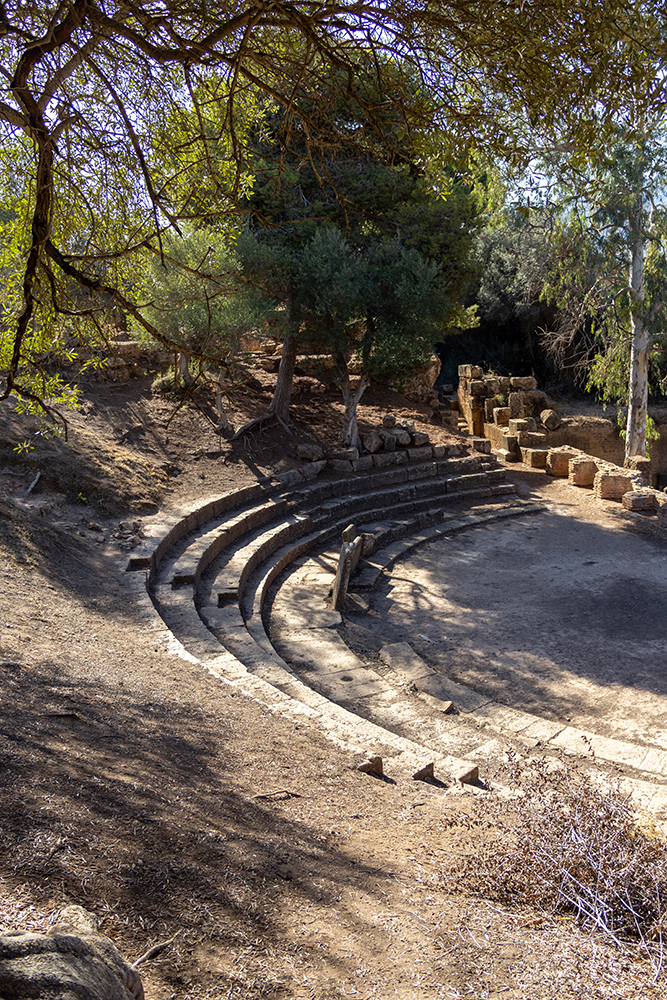

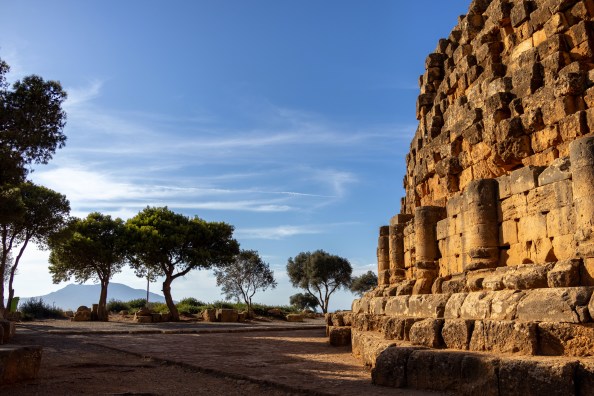
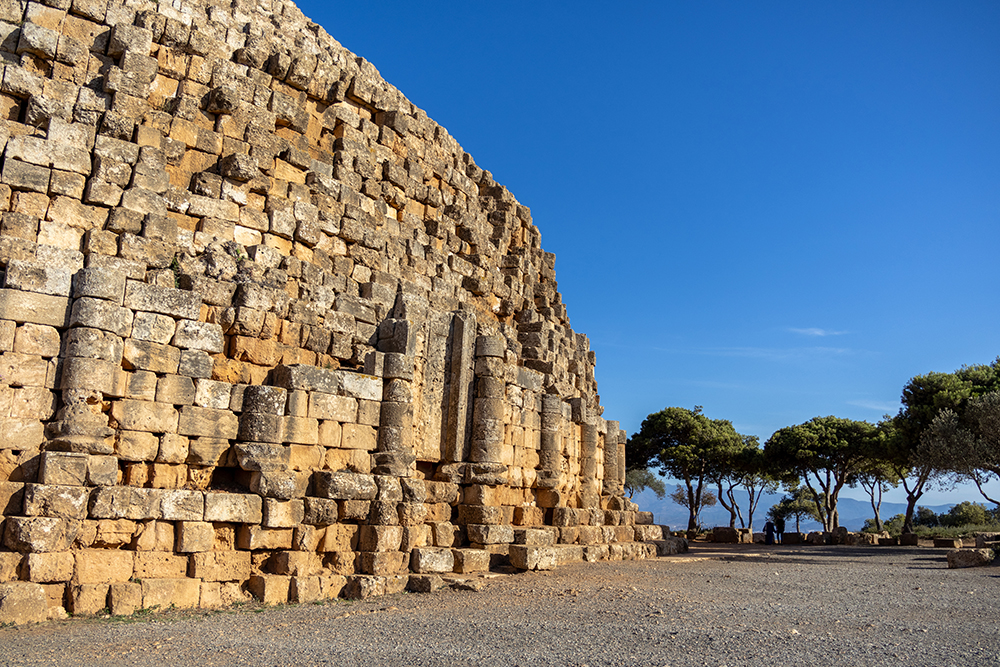
After leaving Tipasa, we still had one more stop to round off our day of exploring the ancient history of Algeria’s Tipaza Province. We embarked on a short drive to a monument we’d caught a glimpse of from the highway earlier that day. A large domed structure made of stone bricks came into view as we all stared out of our van’s windows in anticipation, and soon we were able to get out of the van and approach the Royal Mausoleum of Mauretania. Sunset would be upon us within an hour or so, and the mausoleum was drenched in the golden light of the dipping sun.
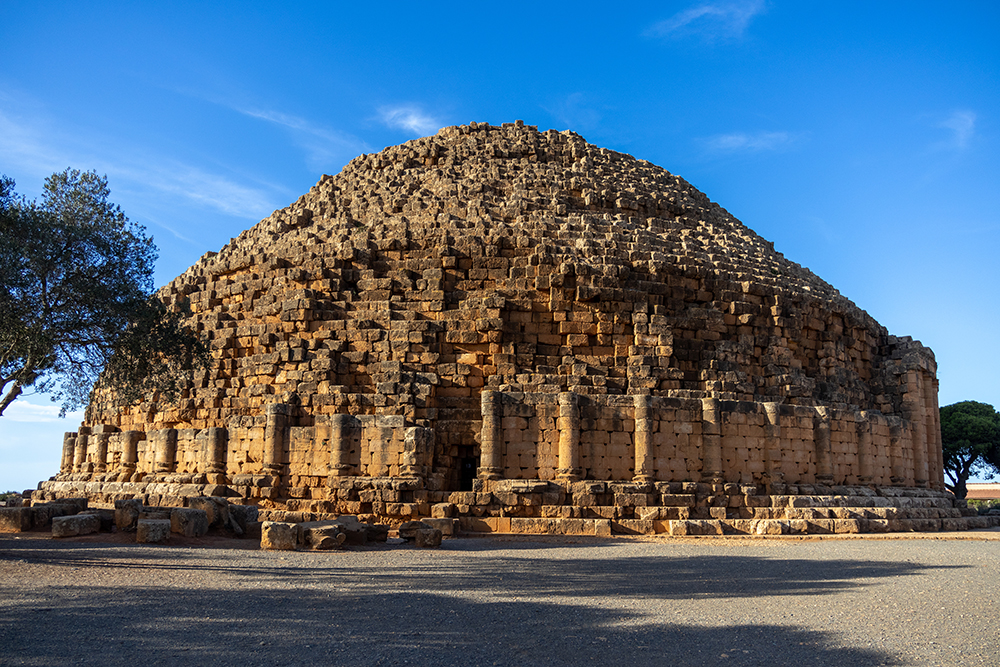
Reminiscent of the pyramids of ancient Egypt, the mausoleum is thought to be the tomb of King Juba II and Cleopatra Selene II, who died at the young age of about 35. However, if the couple was actually buried there, their bodies are no longer inside. It’s possible that the bodies were stolen by tomb raiders hundreds or even thousands of years ago, or that the tomb was symbolic in nature and never housed the royals’ bodies in the first place.
The mausoleum also bears the moniker of “The Tomb of the Christian Woman.” This name is derived from a cross shape carved onto one of the structure’s false doors, but it is a bit of a misnomer. The tomb predates Christianity, which means this cross is likely just decorative.
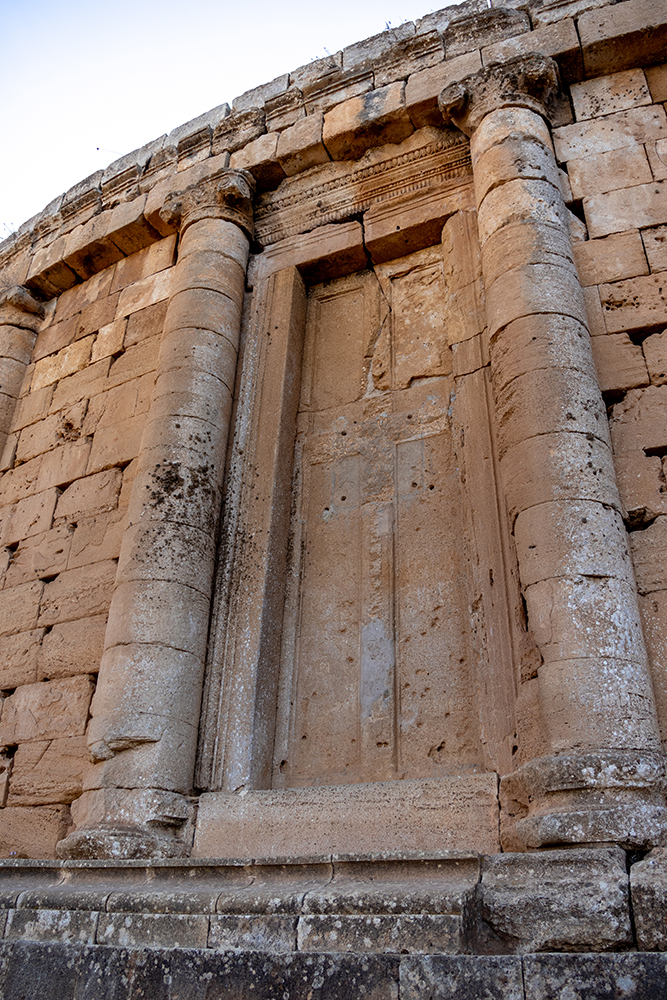
With nothing left on the day’s agenda (except for dinner of course), we got to take our time circling around the Royal Mausoleum, and soaking up the fading rays of sunlight. Our second day in Algeria had been both relaxing and fascinating. We’d learned so much about the area’s history in just one short day, and our foray into the history of the Ancient Roman Empire was just beginning. That evening we rode back to Algiers for one last night at the Lamaraz Hotel. It would be an early morning the next day because we had to make a long drive through rugged, mountainous landscape to get to our next destination. This was the segment of our trip that I was most looking forward to, so I couldn’t wait until we could wake up and get started!







 birdsoftheairtravel.com
How wonderful that you visited such a fantastic place. Such history and beauty in the ruins.